
Ethical Implications of AI-Generated Models in the Fashion Industry
Brief news summary
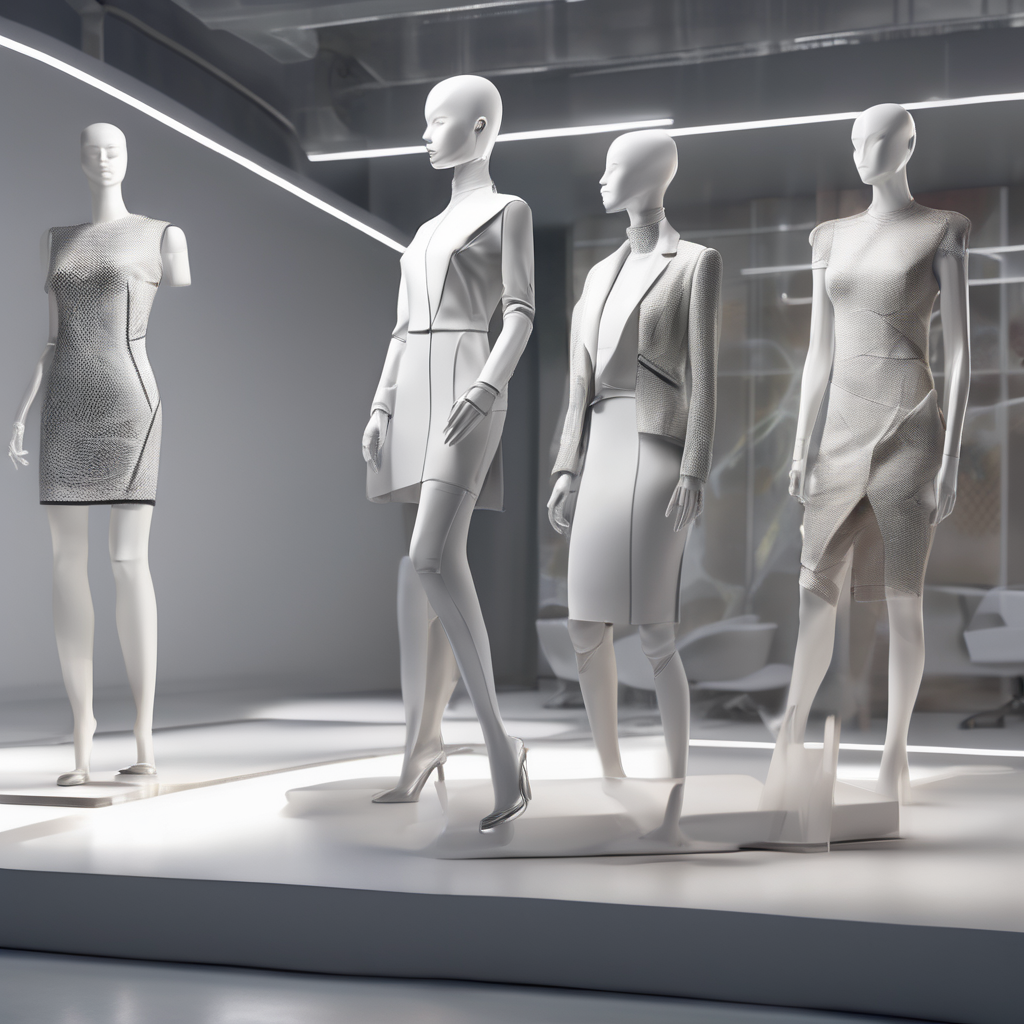
The rise of AI in fashion has sparked debate, especially after a major brand’s campaign used hyper-realistic AI-generated virtual models. These models often depict idealized, unattainable beauty standards, raising concerns about their impact on consumer self-esteem, particularly among young people. Supporters claim AI drives innovation, cuts costs, enhances diversity, and solves traditional photoshoot issues. Critics warn of job losses for models and creative professionals, as well as ethical concerns about transparency. Undisclosed AI use risks consumer trust and blurs reality with artificial imagery. Industry leaders call for clear labeling of AI-generated content and stress that AI should complement, not replace, human creativity. This debate mirrors wider societal challenges from technological advances in creative fields. Ultimately, fashion must balance AI’s benefits with respect for human artistry, prioritizing transparency, inclusivity, and ethical collaboration for sustainable AI integration in advertising.The emergence of artificial intelligence (AI) in the fashion industry has sparked vigorous debate among critics, creators, and consumers alike. A recent advertising campaign utilizing AI-generated models has reignited concerns about the ethical and social consequences of integrating AI into creative fields traditionally driven by humans. Central to the debate are fears that AI diminishes opportunities for real-life models and creatives, while perpetuating unrealistic beauty standards long criticized within fashion and media. This campaign, produced by a leading fashion brand, employs AI-generated images to present models who do not exist in reality. These virtual models are crafted using advanced algorithms that create hyper-realistic facial features and body proportions, embodying idealized aesthetics often beyond what is naturally attainable by humans. Supporters claim that AI models foster innovative artistic expression, reduce costs, and democratize fashion by enabling brands to design diverse, visually striking campaigns without the logistical challenges of traditional photo shoots. On the other hand, critics emphasize several drawbacks. A major worry is the displacement of professional models, photographers, stylists, and other creatives whose livelihoods rely on standard fashion campaigns. Substituting human models with AI risks marginalizing an already vulnerable workforce facing automation and fluctuating demand. Furthermore, AI-generated models propagate unattainable beauty ideals—such as flawless skin, perfect symmetry, and exaggerated figures—that fail to reflect natural human diversity. This exacerbates social pressures, particularly among young audiences who might internalize these images, increasing the risks of body dysmorphia and low self-esteem.
The ethical discussion also involves issues of authenticity and transparency. Consumers are increasingly demanding that brands disclose when images are manipulated or created artificially. Failure to reveal the use of AI models can be perceived as deceptive, undermining trust and blurring the line between reality and fabrication. Industry players are tackling these challenges; some agencies and fashion houses advocate for clear guidelines requiring explicit labeling of AI-generated models and promoting inclusive, diverse representations of beauty. Others endorse the use of AI as a tool to augment rather than replace human creativity. This controversy reflects wider societal changes as technology becomes deeply integrated into creative professions. As AI continues to evolve, the fashion industry faces critical choices about how to ethically and sustainably incorporate these tools while preserving human artistry. The ongoing conversation underscores that, although AI opens unprecedented opportunities in image creation and marketing, it simultaneously poses significant challenges regarding employment, social norms, and consumer trust. Ultimately, designers, models, marketers, and consumers must engage in ongoing dialogue to navigate these complexities responsibly. As AI-generated fashion advertisements become more prevalent, addressing concerns about job displacement and unrealistic beauty standards remains essential. By fostering transparency, inclusivity, and collaboration between human creativity and technological innovation, the fashion industry can strive for a future that balances advancement with respect for humanity.
Watch video about
Ethical Implications of AI-Generated Models in the Fashion Industry
Try our premium solution and start getting clients — at no cost to you

I'm your Content Creator.
Let’s make a post or video and publish it on any social media — ready?

Content Maker

Last news
The Best for your Business
Hot news

Micron gives rosy sales forecast as AI spurs dema…
Bloomberg Micron Technology Inc, the largest US memory chip manufacturer, has issued an optimistic forecast for the current quarter, indicating that rising demand and supply shortages are enabling the company to charge higher prices for its products

The News and Intelligence You Need on Luxury
Confidence in generative artificial intelligence (AI) among leading advertising professionals is reaching unprecedented levels, according to a recent Boston Consulting Group (BCG) study.

Google DeepMind's AlphaCode Achieves Human-Level …
Google's DeepMind has recently unveiled AlphaCode, a pioneering artificial intelligence system created to write computer code at a level comparable to human programmers.

The Future of SEO: Integrating AI for Enhanced Se…
As the digital landscape rapidly evolves, integrating artificial intelligence (AI) into search engine optimization (SEO) strategies has become essential for online success.

AI Video Summarization Tools Aid in News Content …
In today’s fast-paced world, where audiences often find it challenging to devote time to lengthy news content, journalists are increasingly adopting innovative technologies to address this issue.

AI-Powered Video Editing Tools Revolutionize Cont…
Artificial intelligence technology is revolutionizing video content creation, mainly through the rise of AI-powered video editing tools.

Liverpool secure AI marketing automation partners…
December 18 – Liverpool has strengthened its commitment to data-driven operations by announcing a new multi-year partnership with SAS, which will serve as the club’s official AI marketing automation partner.
AI Company
Launch your AI-powered team to automate Marketing, Sales & Growth

and get clients on autopilot — from social media and search engines. No ads needed
Begin getting your first leads today

Your News is ready
Your article is ready

Lorem ipsum dolor sit amet consectetur adipisicing elit. Fuga dolor minus maiores. Aut vero expedita dicta, dolorem odit excepturi odio doloremque voluptatem repellat aliquam? Dolores nemo eum id pariatur! Nobis!
Generating video takes longer than text.







