
How Artificial Intelligence is Transforming SEO and Search Engine Algorithms
Brief news summary
Artificial intelligence (AI) is transforming search engine algorithms by improving the way information is indexed, evaluated, and delivered. This shift requires SEO professionals to update their strategies to maintain visibility and competitiveness. AI enhances understanding of user intent and context, moving SEO from simple keyword targeting to creating highly relevant, high-quality content that meets AI standards. Machine learning analyzes factors like topical authority, content freshness, and user engagement, favoring comprehensive, authoritative content. Additionally, AI personalizes search results based on individual user behavior, prompting the creation of adaptable content for diverse audiences. Advances in natural language processing, voice recognition, and predictive analytics combine technical skills with creative content development. Overall, AI reshapes SEO by emphasizing quality, relevance, personalization, and flexibility, enabling businesses to succeed in an evolving search environment.Artificial intelligence (AI) is dramatically reshaping search engine algorithms, fundamentally changing the way information is indexed, evaluated, and delivered to users. This transformation offers both new opportunities and considerable challenges for search engine optimization (SEO) professionals. As AI becomes more deeply integrated into search technologies, grasping these changes is vital for crafting effective strategies that maintain visibility and relevance amid increasingly competitive digital landscapes. A major impact of AI on search engines is its improved capacity to interpret user intent and the contextual subtleties behind search queries. Traditional keyword-focused methods are gradually being replaced by more advanced techniques that analyze the semantic meaning of requests. This enables search engines to provide more precise and relevant results closely aligned with users’ actual needs. For SEO experts, this shift emphasizes the need to create high-quality, contextually pertinent content. Instead of merely optimizing for keywords, content must be developed with a clear understanding of user intent and tailored to satisfy the expectations of AI-driven algorithms. Additionally, the integration of machine learning within search engines plays a crucial role in assessing content quality and relevance. Unlike earlier systems reliant primarily on static ranking factors like backlinks and keyword density, current algorithms continuously learn from vast datasets. They evaluate numerous signals such as content depth, topical authority, freshness, and user engagement metrics including click-through rates and dwell time.
This dynamic evaluation encourages SEO professionals to produce comprehensive, authoritative content that thoroughly covers topics, building trust and demonstrating expertise to both users and algorithms. Personalization is another important aspect introduced by AI in search results. AI analyzes user behavior, preferences, geographic location, device type, and past interactions to tailor search outcomes uniquely for each individual. This personalized approach improves the overall user experience by delivering more relevant content on a personal level. As a result, SEO strategies must consider these personalized experiences by addressing diverse audience segments and user profiles. Crafting flexible content that performs well across different demographics and behavioral patterns becomes essential for optimizing in personalized search environments. As AI systems progress, they are expected to incorporate even more sophisticated features such as natural language understanding, voice recognition, and predictive analytics. For SEO professionals, keeping pace with these advancements and continually refining optimization methods is crucial. The future of SEO will involve a comprehensive combination of technical skill, creative content creation, and a profound understanding of AI-powered search dynamics. In conclusion, artificial intelligence is profoundly transforming search engine algorithms, requiring a strategic evolution in SEO practices. To achieve continued prominence and effectiveness in search results, SEO experts must focus on producing quality, context-rich content that appeals to AI algorithms, embrace personalization, and adapt to ever-changing ranking factors. This ongoing shift highlights the necessity of agility and innovation in SEO, enabling businesses and content creators to succeed in an AI-driven search landscape.
Watch video about
How Artificial Intelligence is Transforming SEO and Search Engine Algorithms
Try our premium solution and start getting clients — at no cost to you

I'm your Content Creator.
Let’s make a post or video and publish it on any social media — ready?

Content Maker

Last news
The Best for your Business
Hot news
“AI SMM”, new training from Hallakate – Learn how…
In an era where technology is transforming how we create content and manage social networks, Hallakate introduces new training tailored for this new age: AI SMM.
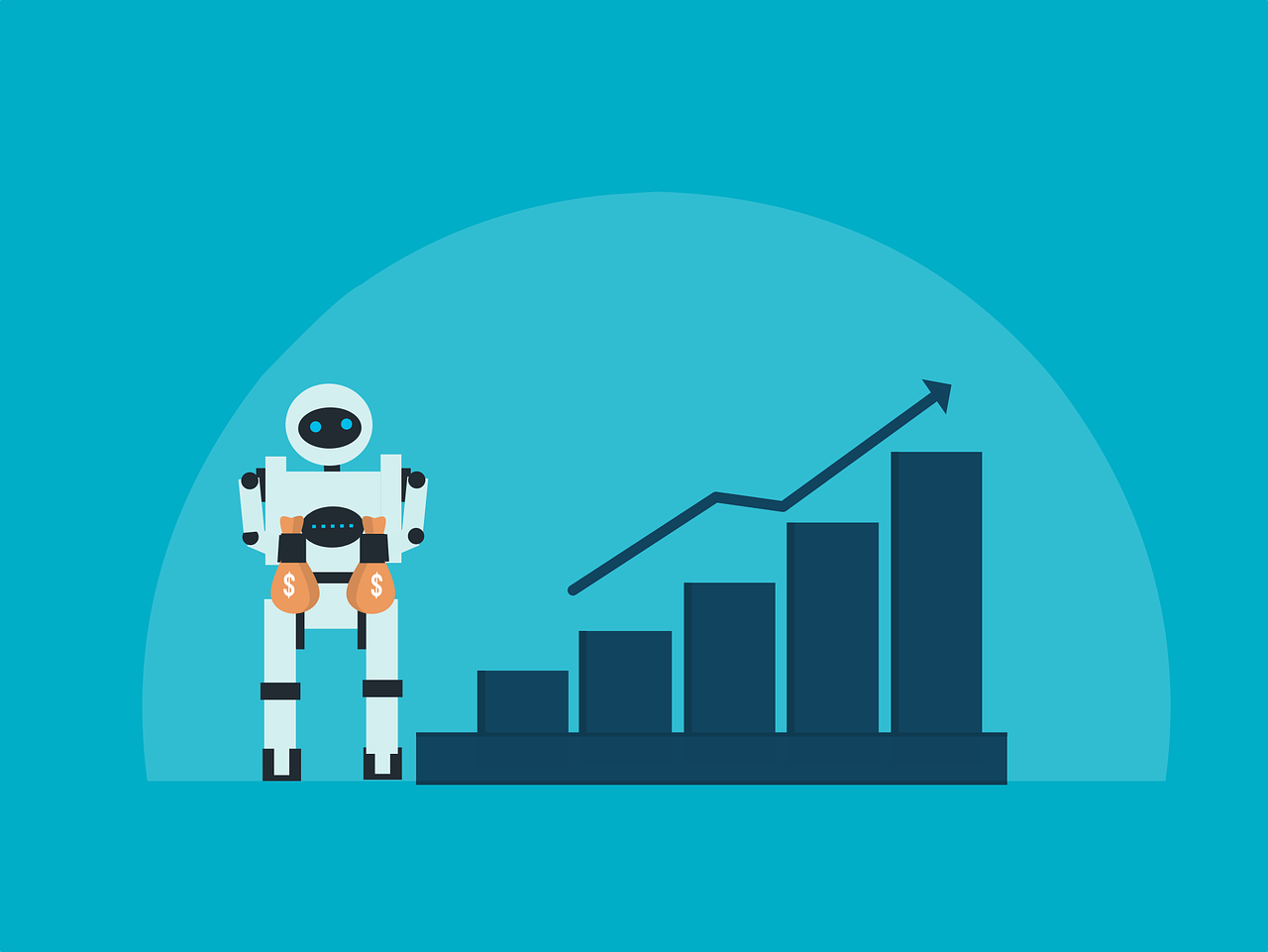
AI Training GPU Cluster Sales Market Size | CAGR …
Report Overview The Global AI Training GPU Cluster Sales Market is projected to reach approximately USD 87

Multimodal AI Market 2025-2032: Growth Overview, …
Multimodal AI Market Overview Coherent Market Insights (CMI) has published a comprehensive research report on the Global Multimodal AI Market, projecting trends, growth dynamics, and forecasts through 2032

AI Video Conferencing Platforms Gain Popularity A…
In recent years, remote work has transformed dramatically, largely due to technological advancements—particularly the rise of AI-enhanced video conferencing platforms.

AI Video Content Moderation Tools Combat Online H…
Social media platforms are increasingly employing artificial intelligence (AI) to improve their moderation of video content, addressing the surge of videos as a dominant form of online communication.
US revisits its export curbs on AI chips
POLICY REVERSAL: After years of tightening restrictions, the decision to permit sales of Nvidia’s H200 chips to China has sparked objections from some Republicans.

AI was behind over 50,000 layoffs in 2025 — here …
Layoffs driven by artificial intelligence have marked the 2025 job market, with major companies announcing thousands of job cuts attributed to AI advancements.
AI Company
Launch your AI-powered team to automate Marketing, Sales & Growth

and get clients on autopilot — from social media and search engines. No ads needed
Begin getting your first leads today

Your News is ready
Your article is ready

Lorem ipsum dolor sit amet consectetur adipisicing elit. Fuga dolor minus maiores. Aut vero expedita dicta, dolorem odit excepturi odio doloremque voluptatem repellat aliquam? Dolores nemo eum id pariatur! Nobis!
Generating video takes longer than text.







