Advancements and Legal Challenges in AI Video Generation: Will Smith Spaghetti Test and Beyond
Brief news summary
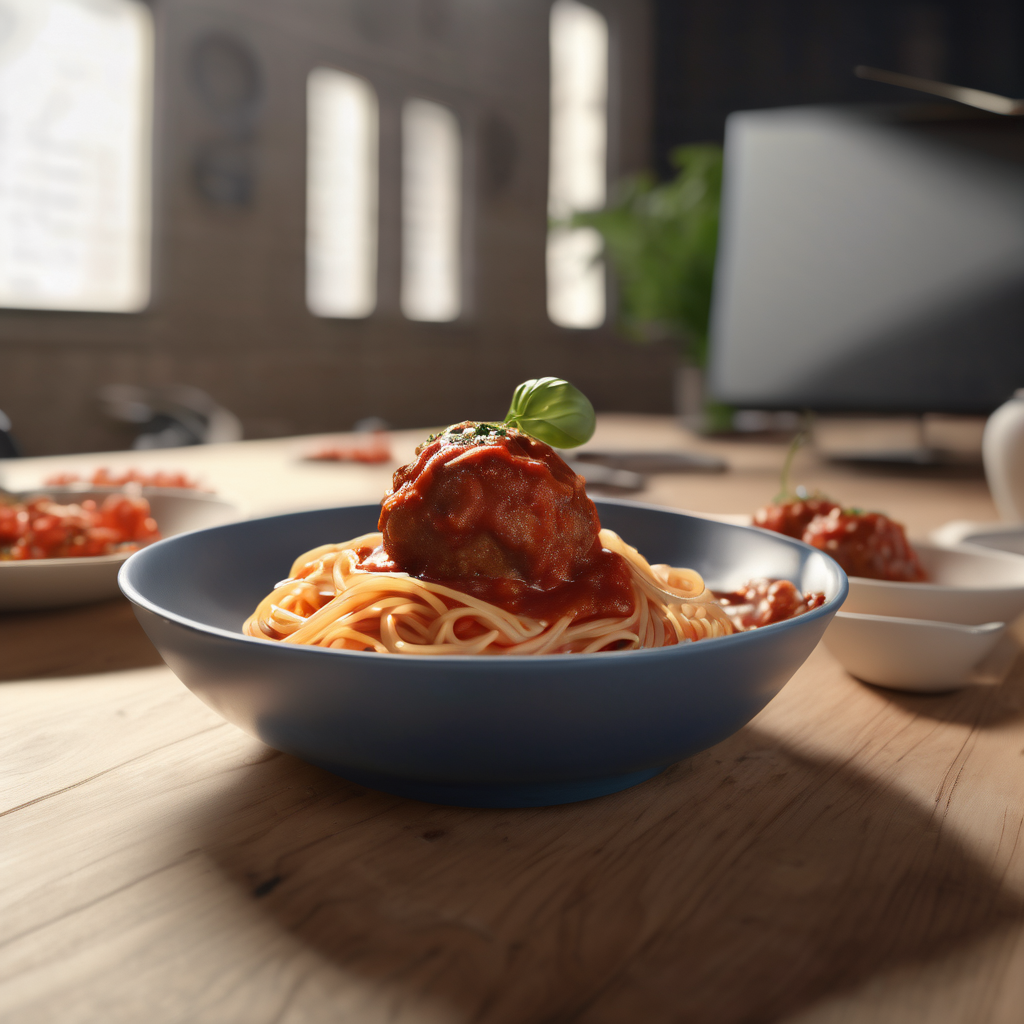
AI video generation has advanced rapidly in just over two years. In 2023, a Reddit user shared a crude AI-generated clip by ModelScope featuring Will Smith eating spaghetti, which was cartoonish and unrealistic, exposing early limitations like anatomical errors and unnatural movements. Since then, progress has been notable. In 2024, China’s MiniMax produced higher-quality videos, though still flawed, such as levitating noodles. Google’s Veo 3 and its update Veo 3.1 improved realism further. OpenAI’s Sora now leads the field, allowing users to upload facial scans ("cameos") for personalized AI videos. Legal issues have surfaced: Disney and Warner Bros. sued MiniMax for copyright violations, while Cameo sued OpenAI over branding conflicts. Lawmakers also worry about deepfake videos targeting them. Despite challenges, major brands like Coca-Cola are adopting AI video tools for advertising, highlighting growing use amid ongoing ethical and legal debates.AI video generation has evolved dramatically over just two and a half years, no longer resembling the crude attempts of the past. In 2023, an unofficial benchmark surfaced when a Reddit user posted a video of Will Smith eating spaghetti created by ModelScope, a text-to-video AI model. The results were alarming—Smith bore little resemblance to the star, looking more like a poorly animated caricature suited for a tourist boardwalk. In some clips, he never actually ate the spaghetti, missing the most basic requirement of the test. These failures showcased early AI video and image generation limitations, such as producing characters with eight fingers or other anatomical errors. In February 2024, Smith himself referenced this test with a TikTok video in which he ate spaghetti in almost as cartoonish a manner as the original AI clip. Since then, significant improvements have been made, as noted by sources like SkyNews. That year, MiniMax, a Chinese AI model, created a much more accurate depiction of Smith, though the chewing looked slightly unnatural, and the noodles appeared to levitate at the clip’s end. In May, a user shared on X a video generated with Google’s Veo 3; however, the noodles being chewed sounded unnervingly crunchy.
A subsequent video produced by Veo 3. 1 demonstrated an even more realistic outcome. Among AI video generators, OpenAI's Sora is regarded as top-tier. Its performance was so impressive that after launching Sora 2 and a TikTok-like mobile app in September, OpenAI had to implement additional restrictions on third-party likenesses and copyrights following several notable controversies involving characters like SpongeBob and Martin Luther King Jr. Meanwhile, Google and Elon Musk’s xAI are striving to catch up, with xAI introducing Grok Imagine, a text-to-video generator, in July. Achieving success on the spaghetti test has become more challenging as Hollywood and other rights holders increase efforts to stop AI companies from infringing on intellectual property. Just days prior to Sora 2’s release, major studios including Disney, Universal, and Warner Bros. filed federal lawsuits against MiniMax. Cameo, a personalized video company, also sued OpenAI over the use of the term “cameos”—the name given to Sora’s feature that allows users to upload facial scans to generate high-quality videos, particularly for non-public figures. In November, a federal judge temporarily blocked OpenAI from using the word. At the same time, some lawmakers in Washington are alarmed by AI’s capability to create videos of them speaking words they never actually said. Yet, not all are avoiding AI video; Coca-Cola recently revealed it used AI—including Sora, Veo 3, and Luma AI—to help produce its holiday advertisements once again.
Watch video about
Advancements and Legal Challenges in AI Video Generation: Will Smith Spaghetti Test and Beyond
Try our premium solution and start getting clients — at no cost to you