
Top 14 Social Media Trends in 2024: AI, TikTok Growth, Influencer Marketing, and AR Impact
Brief news summary
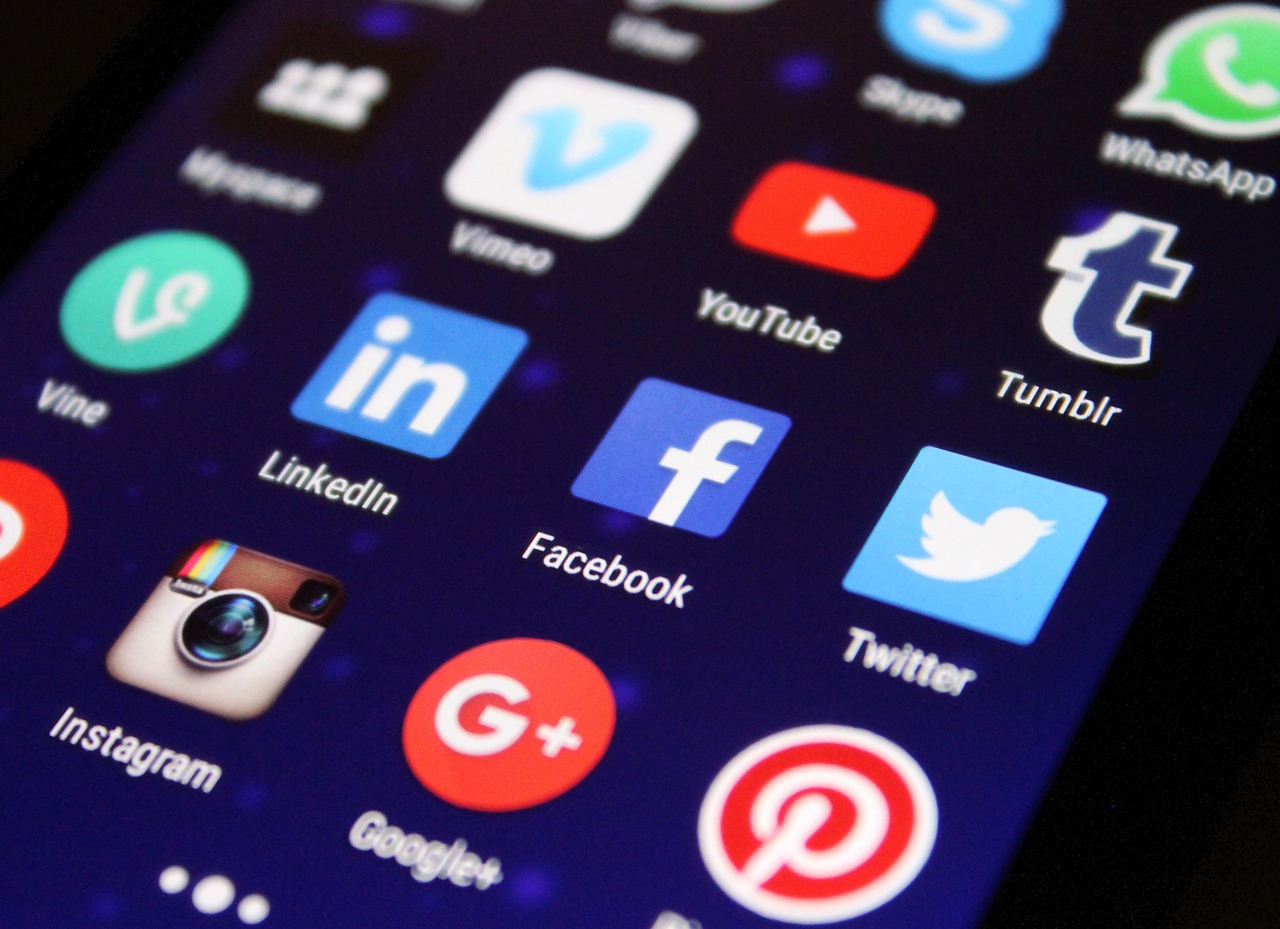
Social media usage has reached a record 5.24 billion users globally, driven by AI advancements and changing user preferences. AI tools like Copy.ai and chatbots are transforming marketing by automating content creation and customer support. TikTok leads Gen Z engagement, with 78% of this group using it daily, attracting increased advertising spending. The popularity of short-form videos is evident with the rise of YouTube Shorts. Brands prioritize authenticity and user-generated content to build genuine connections. Social commerce is booming, especially on Facebook and Instagram, fueled by younger consumers. Social search is surpassing traditional search engines for product discovery, while augmented reality enhances shopping experiences. However, platforms face challenges such as regulatory pressures, declining ad revenue on Twitter/X, and rising demands for transparency and digital safety. Overall, social media continues to shape marketing strategies and user behavior in an evolving tech landscape.Social media usage has reached unprecedented levels but is currently undergoing significant changes. AI innovations are reshaping user interactions, and many users are migrating to niche platforms to find specific content types. This report explores 14 key social media trends shaping the landscape. 1. AI in Social Media Tasks Over 80% of marketers say AI tools save time and boost efficiency, with adoption more than doubling in the past year. In 2024, 75% of marketers planned to use AI for revising and writing text—a 103% increase over 2023. Over 40% use AI for caption writing, with Copy. ai a popular tool offering platform-specific text generation. Image creation with AI is also booming, with 52% of marketers planning to create images via AI in 2024, a 136% rise from 2023. Search interest in AI image enhancers is spiking sharply, and platforms like Midjourney, DALL-E, and Stable Diffusion are mainstream among marketers, saving time and costs. Major brands such as Coca-Cola have launched AI-driven campaigns. AI-powered image editors, especially Canva (the most popular AI tool with 209 million monthly unique visitors), are widely used for editing tasks directly within social media post creation. AI also supports scheduling, social listening, research, data analysis, and reporting. 2. TikTok’s Popularity Soars Among Gen Z While Facebook remains the most popular platform overall, TikTok dominates Gen Z and Gen Alpha audiences. TikTok sees over 2. 7 billion monthly visits, with 68% from mobile devices. Facebook’s under-25 user base is shrinking, expected to drop from 31 million in 2020 to 23. 3 million by 2026. Meanwhile, 78% of Gen Z use TikTok, two-thirds daily, comprising 45% of users—second only to Snapchat at 51%. Gen Z spends about 1 hour 19 minutes daily on TikTok. Marketing budgets are shifting, with 55% of marketers increasing spend on TikTok in 2024, and for many small businesses, TikTok marketing yields positive ROI within six months. Brands like Dunkin’ Donuts and Folgers actively engage Gen Z influencers. However, potential TikTok bans could affect these dynamics. 3. Social Media as a Customer Support Channel Consumers expect immediate responses; 72% demand fast service, but only 56% report positive experiences. About 90% deem instant replies crucial, often within 10 minutes. Brands increasingly use social media for customer support; 51% of consumers find responsive brands most memorable, and 76% value quick replies. Spindrift exemplifies rapid, empathetic response on platform X (formerly Twitter). Due to high demand, AI chatbots are increasingly deployed, with a 318% increase in planned usage for 2024. These bots enable personalized, timely interactions, such as an Instagram food influencer’s recipe-response bot triggered by comments. 4. Rising Social Media Usage Nearly 5. 24 billion people use social media, over 61% of the global population. The average user now engages with 2. 3% more platforms year-over-year. Social media users will surpass TV viewers by 2025 (235 million vs. 230 million). Daily time spent averages 2. 5 hours, over one-third of online time. This intense usage fuels movements for digital minimalism and social media detoxes, with interest in minimalist “dumb phones” rising, exemplified by limited editions like Kendrick Lamar’s. 5. Social Media Dominates Advertising Digital ad spending is forecast at $740 billion in 2024, reaching $802 billion by 2026, accounting for 65%+ of total ad spend and growing nearly 10% annually. Social media ads comprise a major share; in 2023, US businesses spent $68. 45 billion on paid social ads, about 19% of total marketing budgets, nearing parity with TV ad spend, and expected to exceed 26% by 2028. Meta leads with 64% of global social ad spend. However, platform X faces advertiser pullback, with major brands like Disney and Comcast shifting budgets away from X to Instagram. Influencer marketing is growing even faster—3. 5 times social ad spending growth—with companies like Lilly Pulitzer tripling influencer budgets to modernize branding. 6. Increasing AI Feature Integration in Platforms AI enhances ad targeting, content creation, and user engagement across platforms. Pinterest boosted its AI ad delivery 100-fold in late 2023. Meta introduced in-app generative AI tools enabling marketers to create multiple ad variants rapidly, saving five hours per week. YouTube’s AI-powered Dream Screen adds customizable video backgrounds; YouTube Shorts’ popularity is rising. Meta tests 20 generative AI tools for posts, images, stickers, and chatbots. LinkedIn features AI assistant Recruiter for hiring and LinkedIn Learning’s coaching chatbot. As of May 2025, LinkedIn attracts 1. 4 billion monthly visitors. 7. Brands Focus on Authentic Content Hard-selling is fading; consumers seek emotional connection, useful info, and authenticity.
Interest in “social media authenticity” has jumped over 225%. User-generated content (UGC) boosts authenticity, with consumers 2. 4 times likelier to trust brands that share UGC. Brands like Buffer and Away highlight audience stories and showcase vibrant UGC. Honest communication during crises enhances trust; for example, Weber quickly apologized on social media following a marketing misstep involving a deceased celebrity. 8. Expanding Influencer Market Projected to exceed $32. 55 billion in 2025, influencer marketing provides high ROI, with about 60% of marketers engaging influencers annually. TikTok surpasses Instagram as the dominant influencer platform (56% vs. 51% usage among influencers). Big-name celebrities’ authenticity is declining; micro (under 100k followers) and nano (1k-10k followers) influencers with highly engaged audiences (nano’s 4% engagement rate) are rising. Nano-influencers offer affordable rates ($5-$25 per TikTok post) and resonate authentically, as seen with fitness influencer Jen Lauren and nutrition influencer Marissa Meshulam. 9. Demand for Bite-Sized Content Due to Short Attention Spans Despite growing time on social media, users engage less per post. Average device focus dropped from 2. 5 minutes in early 2000s to 47 seconds today; Gen Z swipes away ads in 1. 3 seconds. Short video content prevails: TikTok users favor videos 11-17 seconds; Instagram reels perform best at 7-15 seconds. 33% of marketers prioritize short-form video. YouTube Shorts, with 2 billion monthly users, is a key platform, with brands like Drunk Elephant Skincare and LadBible seeing revenue boosts via short videos. 10. Facebook and Instagram Lead Social Commerce In 2023, 100 million Americans made social media purchases totaling nearly $67 billion; by 2027, sales are expected to more than double to $144. 62 billion. Apparel, beauty, and home goods dominate purchases. Millennials (27%) and Gen Z (22%) lead social shopping, with Gen Z favoring Instagram and general users preferring Facebook. Facebook Shops and Marketplace have vast user bases (1 million and 1 billion monthly users, respectively). Insider Intelligence projects spending per buyer rising from $337 in 2020 to $1, 223 by 2027, indicating significant growth potential. 11. Social Media Surpasses Google for Search In February 2025, 94. 4% of internet users aged 16+ visited social networks versus 82. 3% visiting search engines. Social search offers real-time, convenient brand/product discovery and advice, with search volume for “TikTok SEO” up 4, 400% since 2019. Forty-four percent of Gen Z and 33% of millennials rely on social media for product info. Marketers emphasize social search optimization through hashtags, alt text, and keywords. TikTok’s Search Ads, launched in 2023, improve engagement and lower CPA by 70% in tested campaigns, with high conversion gains noted by brands like Clinique; Instagram and Reddit have followed suit. 12. Growth of Augmented Reality (AR) The XR market (AR/VR/MR) was valued at $29. 26 billion in 2022 and could reach $100 billion by 2026. Mobile AR users are projected to hit 1. 4 billion in 2024. Meta launched Rugby World Cup AR filters as engagement tools. AR enhances brand identity, user experience, and social shopping: over 90% of Americans use or would consider AR shopping; AR ads yield 94% higher conversions. MAGNA’s survey finds 64% of social shoppers likely to use AR, especially for clothing and furniture, reducing product returns by nearly 65%. Snapchat employs AR to enable virtual try-ons for beauty brands. 13. Challenges Facing X (formerly Twitter) Since rebranding to X in October 2022, the platform’s valuation dropped to $15 billion; ad revenue declined 60% as of September 2023. Seventy percent of marketers doubt X’s ROI amid a 17. 8% decrease in US daily active users. Nonetheless, X aims to become an “everything” app, adding audio/video DM calls, longer video uploads, extended post lengths, and plans for a news service and payment processing across 12 states. Despite feature expansions, only 23% of marketers intend to invest in X marketing in the coming year. 14. Increasing Regulations on Social Media Concerns over hate speech, misinformation, free speech, privacy, and security fuel ongoing political debates and legal challenges. Supreme Court decisions will shape regulatory frameworks, including laws aiming to prevent censorship (e. g. , Florida, Texas). The bipartisan Platform Accountability and Transparency Act seeks transparency in algorithms and content moderation. Child safety concerns drive laws requiring adult consent for minors to join platforms. Deepfake AI interest surged in 2023 amid election-related misinformation fears. Social media companies like Meta and ByteDance heavily invest in lobbying efforts. The EU’s 2023 Digital Services Act enforces strict content and privacy rules on major tech firms. Conclusion Social media usage is poised to continue growing, fueled by AI and AR technologies that deepen user engagement. Marketers are increasing budgets for content, influencers, and advertising to capitalize on this trend. Success hinges on delivering authentic, valuable experiences to users, fostering trust and meaningful connections amid evolving platform dynamics and regulatory environments.
Watch video about
Top 14 Social Media Trends in 2024: AI, TikTok Growth, Influencer Marketing, and AR Impact
Try our premium solution and start getting clients — at no cost to you

I'm your Content Creator.
Let’s make a post or video and publish it on any social media — ready?

Content Maker

Last news
The Best for your Business
Hot news

AI-Powered Video Editing Tools Revolutionize Cont…
The landscape of video content creation is experiencing a profound transformation with the rise of AI-powered editing tools.

AI Company Announces Acquisition of Robotics Star…
AI Company has strategically acquired a promising robotics startup specializing in industrial automation, aiming to enhance its technological capabilities and expand market reach.

CLNB 2025: Technology Innovation Will Reshape Lit…
At the Lithium Battery Recycling Forum during the 10th CLNB New Energy Industry Chain Expo 2025, hosted by SMM Information & Technology Co., Ltd.

Apple’s iPhone sales surge to new quarterly high …
Apple’s iPhone sales surged to a new quarterly high during the holiday season, despite setbacks in artificial intelligence that led the tech pioneer to seek assistance from Google.
Google unveils three AI strategies to reshape mar…
Google has just provided marketers with their 2026 playbook.
AI and SEO: A New Era in Digital Marketing
Artificial intelligence (AI) is profoundly transforming digital marketing, especially by reshaping how search engine optimization (SEO) is approached and executed.
AI-Driven SEO: Transforming Content Strategies fo…
As we enter 2026, artificial intelligence (AI) is profoundly transforming search engine optimization (SEO), revolutionizing how marketers create, distribute, and evaluate content.
AI Company
Launch your AI-powered team to automate Marketing, Sales & Growth

and get clients on autopilot — from social media and search engines. No ads needed
Begin getting your first leads today

Your News is ready
Your article is ready

Lorem ipsum dolor sit amet consectetur adipisicing elit. Fuga dolor minus maiores. Aut vero expedita dicta, dolorem odit excepturi odio doloremque voluptatem repellat aliquam? Dolores nemo eum id pariatur! Nobis!
Generating video takes longer than text.







