
US Allows Nvidia and AMD to Export AI Chips to China with Revenue Sharing Policy

Brief news summary
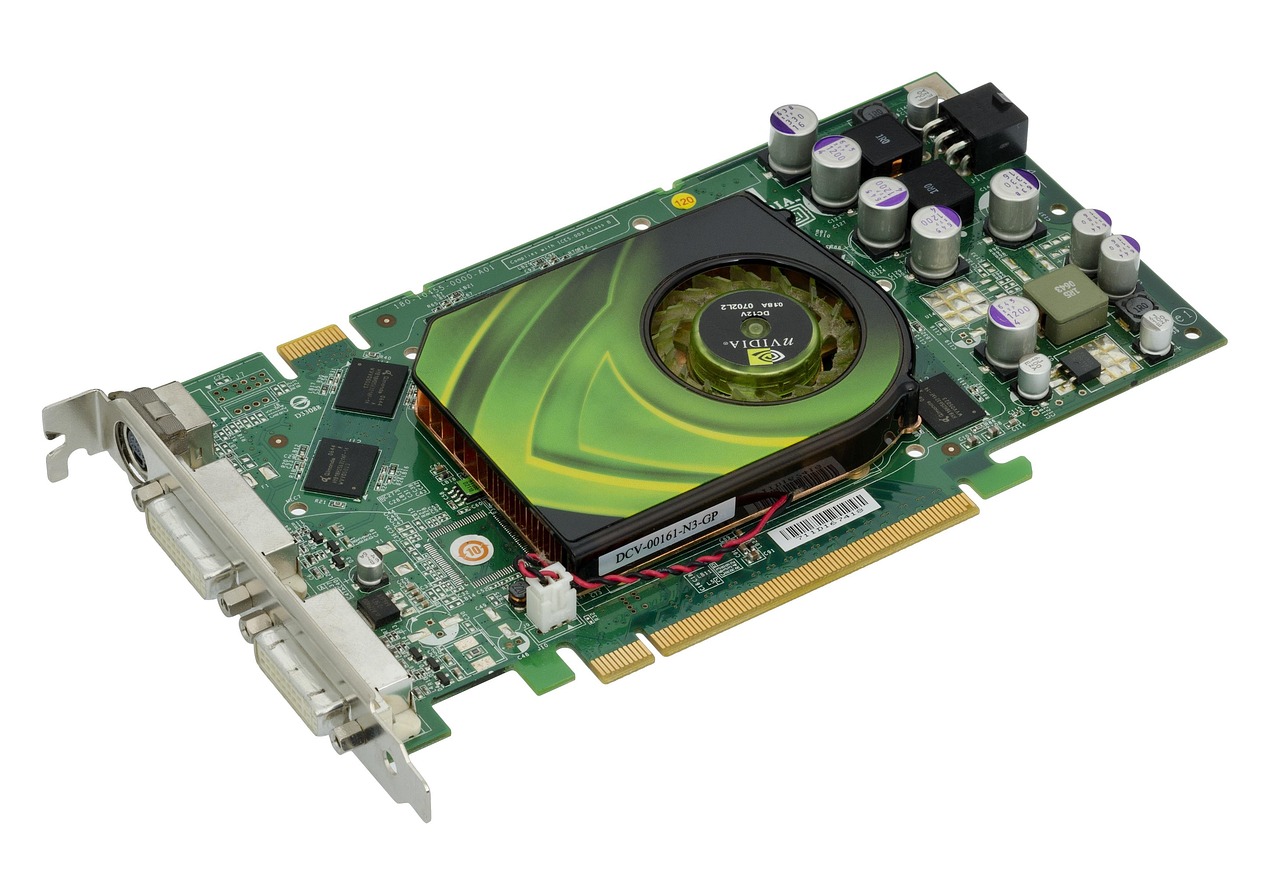
Under President Trump, the U.S. revised export policies allowing Nvidia and AMD to sell advanced AI chips (Nvidia’s H20 and AMD’s MI308) to China, with 15% of revenues returned to the U.S. Treasury. This approach seeks to balance economic gains and national security, potentially generating up to $7.5 billion, though actual returns may be about half due to market and compliance factors. Earlier export restrictions led to losses like Nvidia’s $4.5 billion inventory write-down. Despite sharing revenues, chipmakers bear some costs, supported by strong profits and passing expenses to Chinese consumers. Challenges include unauthorized chip imports and China’s rapid domestic AI and chip advances by firms like DeepSeek and Huawei, threatening U.S. leadership. While yielding short-term benefits, the policy highlights risks to technological dominance and supply chain stability amid global competition, necessitating careful policymaking to align economic and strategic priorities.The U. S. government, under President Donald Trump’s administration, has introduced a major policy shift impacting the semiconductor sector, specifically concerning the export of advanced AI chips to China. This new rule permits leading American chipmakers Nvidia and AMD to resume sales of their latest AI chips—Nvidia's H20 and AMD's MI308—to Chinese buyers, provided the companies agree to pay 15% of the revenue from these sales back to the U. S. government. This adjustment reflects a strategic balance between economic gains and national security concerns. The revenue-sharing deal could generate up to $7. 5 billion for the U. S. treasury, though more cautious estimates suggest actual returns may be nearer half that amount, influenced by market realities and compliance issues affecting chip sales in China. Formerly, export restrictions had caused substantial losses, exemplified by Nvidia’s $4. 5 billion write-down from unsellable inventory blocked from shipment to China, underscoring the harsh effects of U. S. -China trade tensions and controls. Despite the levy, Nvidia and AMD consider the 15% revenue share a manageable cost due to their high profit margins on AI chips. They can also partially pass these costs onto Chinese consumers, lessening internal financial strains. However, several challenges threaten the sustained success of U. S. semiconductor exports to China. Unauthorized chip imports into China make enforcement difficult, while China aggressively boosts domestic chip production through heavy R&D investment aimed at producing high-end chips rivaling or surpassing American products. Alongside hardware, China is advancing rapidly in AI software development, creating more efficient and competitive AI models.
Firms like DeepSeek and Huawei are emerging as strong Chinese competitors in AI chip manufacturing and model innovation, directly challenging the dominance and future export prospects of U. S. semiconductors in China. These factors depict a complex scenario: in the short term, the U. S. government and American chipmakers may reap significant financial benefits from resumed trade and revenue sharing. Yet, these gains raise questions about the long-term strategic position of U. S. technology leadership and national security. The recalibrated policy embodies a delicate balance of economic incentives against the risk of assisting a rival nation's technological progress. Though pragmatic, the revenue-sharing model exposes vulnerabilities in supply chains and the accelerating global technological rivalry. In summary, allowing Nvidia and AMD to export AI chips to China under a revenue-sharing arrangement marks a significant development in U. S. -China technology trade relations. It offers tangible fiscal returns and supports American semiconductor companies’ financial stability in the near term. However, China’s expanding semiconductor capabilities and the rise of homegrown competitors threaten U. S. market share and influence going forward. Consequently, policymakers and industry leaders must carefully navigate these dynamics to safeguard long-term strategic interests while capitalizing on present economic opportunities.
Watch video about
US Allows Nvidia and AMD to Export AI Chips to China with Revenue Sharing Policy
Try our premium solution and start getting clients — at no cost to you

I'm your Content Creator.
Let’s make a post or video and publish it on any social media — ready?

Content Maker

Last news
The Best for your Business
Hot news
Democrats warn Trump greenlighting Nvidia AI chip…
Congressional Democrats are expressing serious concern over the possibility that the U.S. may soon begin selling advanced chips to one of its foremost geopolitical rivals.

Independence officials charged up for Dutch AI co…
Tod Palmer, a KSHB 41 reporter covering sports business and eastern Jackson County, learned about this significant project through his beat covering the Independence City Council.

AI Video Surveillance Raises Privacy Concerns
The deployment of artificial intelligence (AI) in video surveillance has become a critical topic among policymakers, technology experts, civil rights advocates, and the public.

Incention is a desperate attempt to make new Holl…
You probably won’t need to remember the name Incention for long, as it’s unlikely to come to mind again after this.

5 top marketing stories of 2025: Tariffs, AI, and…
The year 2025 proved to be turbulent for marketers, as macroeconomic shifts, technological advancements, and cultural influences dramatically transformed the industry.

AI-Powered SEO Companies to Gain More Significanc…
AI-powered SEO companies are expected to become increasingly important in 2026, driving higher engagement rates and improved conversions.

AI Video Compression Techniques Improve Streaming…
Advancements in artificial intelligence are transforming how video content is compressed and streamed, delivering substantial improvements in video quality and enhancing the viewer experience.
AI Company
Launch your AI-powered team to automate Marketing, Sales & Growth

and get clients on autopilot — from social media and search engines. No ads needed
Begin getting your first leads today

Your News is ready
Your article is ready

Lorem ipsum dolor sit amet consectetur adipisicing elit. Fuga dolor minus maiores. Aut vero expedita dicta, dolorem odit excepturi odio doloremque voluptatem repellat aliquam? Dolores nemo eum id pariatur! Nobis!
Generating video takes longer than text.







