
US Approves Conditional Nvidia H200 AI Chip Sales to China Amid Tech Rivalry
Brief news summary
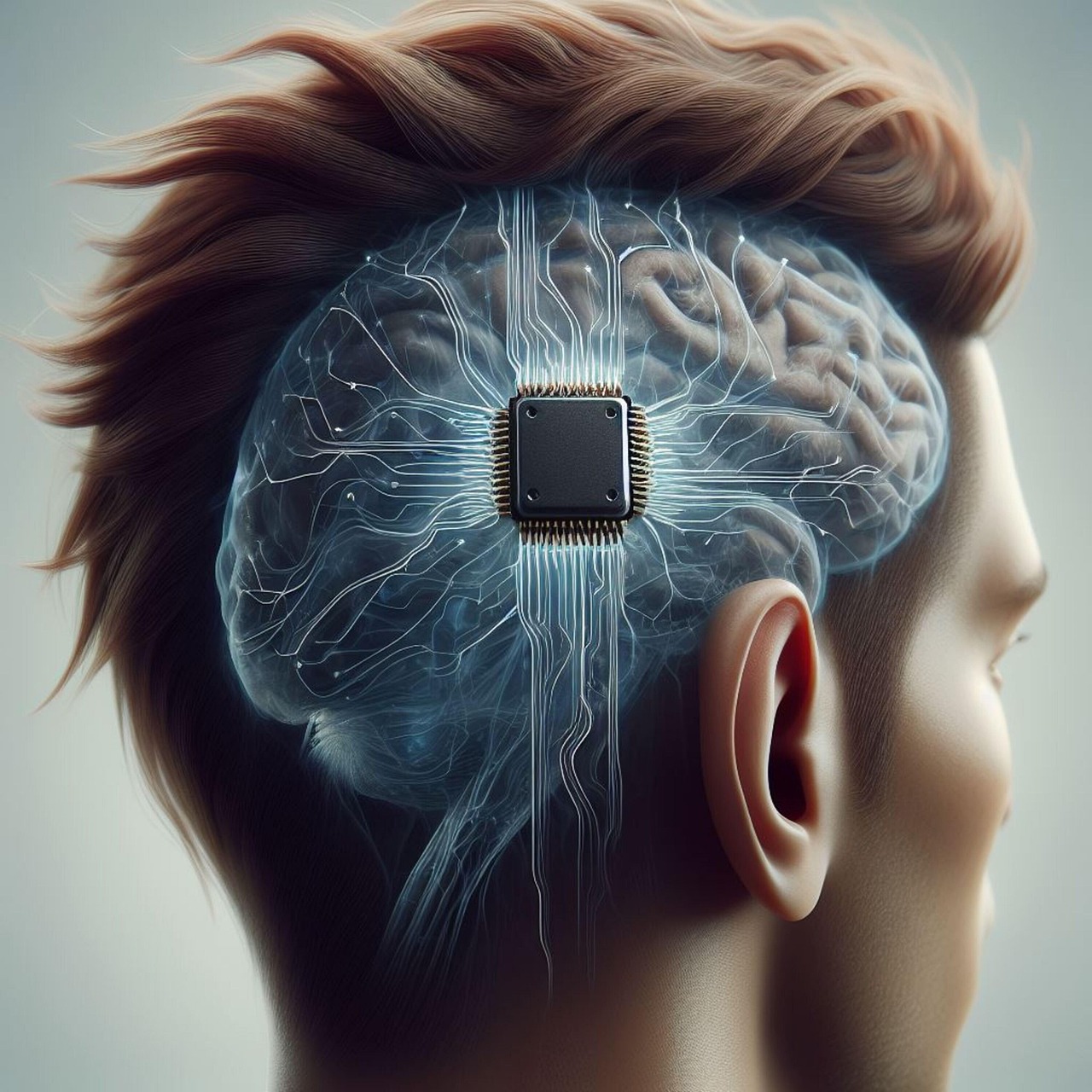
The US government has conditionally approved sales of Nvidia’s older H200 AI chips to China, implementing strict export controls and security checks amid ongoing technological rivalry. This cautious move aims to limit China’s AI progress while preserving US business ties, with a 25% levy on sales reflecting the politicization of tech exports. The approval marks a shift from prior bans on lower-performance chips, recognizing the complexity of decoupling due to intertwined global supply chains. China has yet to formally respond but continues accelerating domestic innovation, developing technologies like Huawei’s Ascend chips and indigenous GPUs. China’s strategy balances cooperation and self-reliance, focusing on independent AI methods that reduce GPU dependence, aiming to challenge tech monopolies and promote diversified growth benefiting the Global South. Ultimately, China seeks global tech leadership and shared prosperity despite external constraints.Photo: VCG In a complex global environment marked by technological competition and cooperation, recent news from across the Pacific holds significant weight. On Tuesday, the US government officially approved conditional sales of Nvidia's H200 AI chips to China. Despite strict restrictions on security reviews and sales volume, this move signals a subtle form of interaction between the US and China in technology. Analysts suggest Washington is striving for a strategic balance between "containing China's AI capabilities" and "avoiding pushing China to leapfrog technologically. " This policy shift reflects the progress China has made in technological self-reliance. The approval of Nvidia's H200 chip exports is not a sudden gesture of goodwill by the US but a calculated decision. The H200 chips authorized for export lag behind Nvidia’s most advanced Blackwell architecture by at least one generation, preserving a performance gap. The policy includes rigorous third-party testing and end-use verification. Washington aims to maintain commercial profits and US companies’ market share in China while hindering China’s advanced chip manufacturing by supplying only "suboptimal" technology, thereby safeguarding the US's long-term industry dominance. As of now, China has not issued an official response. Notably, export approval and restrictions on quantity and supply chains remain under strict US control, with the US even preparing to claim 25 percent of the sales revenue. This stringent export regime targets China exclusively, not other US trading partners, reflecting Washington's ongoing practice of "weaponizing" and "politicizing" technological advantages. Previously, the US banned exports of even lower-performance chips to China, so this conditional easing is a significant adjustment. It highlights both sides’ attempts to manage differences and sustain economic and trade ties amid intense rivalry. It also indicates that complete decoupling—even in critical sectors like AI and computing power—is unfeasible given deeply intertwined industrial and supply chains.
Cooperation remains the greatest form of security. Historical evidence shows that establishing technological barriers ultimately backfires, harming one's innovation ecosystem and weakening domestic firms. US efforts to cut off chip supplies have not halted China’s high-tech progress; instead, they have accelerated breakthroughs within a national innovation system. From Huawei’s Ascend chips to specialized domestic GPUs and comprehensive industrial chain development, China has demonstrated strong R&D capabilities and clear innovation pathways. Easing the H200 export restrictions implicitly acknowledges US recognition that outright "blocking" no longer suffices to impede China's technological ascent. The H200 chip episode confirms that independent innovation is the only way to overcome blockades and secure strategic initiative. Recently, Chinese researchers and DeepSeek proposed a new AI training technique to bypass GPU limits, potentially enabling more autonomous and sustainable AI development. With ongoing technological advances bearing fruit, China is moving beyond trailing others to pioneering new technological paths and building new ecosystems. China’s rise is not only about its own breakthroughs but also about breaking monopolies, providing diverse development routes globally, and aiding Global South countries in bridging the digital divide to share scientific and technological progress. China’s technological development now focuses on independent innovation. As for the fears and speculation from Washington hawks aiming to restrict chip exports, they warrant little concern. In the dynamic between "cooperation" and "self-reliance, " China has charted a clear future path. Regardless of outside attempts to "restrict" or "allow, " the historical momentum of China’s technological self-reliance and global contributions remains unstoppable. This embodies the confidence and vision of a major scientific and technological power.
Watch video about
US Approves Conditional Nvidia H200 AI Chip Sales to China Amid Tech Rivalry
Try our premium solution and start getting clients — at no cost to you

I'm your Content Creator.
Let’s make a post or video and publish it on any social media — ready?

Content Maker

Last news
The Best for your Business
Hot news

Amazon's Investments and Initiatives in AI Infras…
Amazon has announced a major $15 billion investment to build new data center campuses in Northern Indiana, aiming to boost artificial intelligence (AI) infrastructure and innovation in the region.

AI Video Content Moderation Tools Combat Online H…
To improve safety and integrity within online communities, social media platforms are increasingly adopting artificial intelligence (AI) tools specifically designed for video content moderation.

Understanding the Impact of AI on SEO Rankings
Artificial intelligence (AI) is swiftly revolutionizing the field of search engine optimization (SEO), significantly impacting how websites are ranked across diverse search platforms.

Optimove Launches AI Marketing Tools Hub to Suppo…
Optimove has launched its AI Marketing Tools Hub, a resource leveraging AI to help marketing teams work faster and autonomously across campaigns.

Producers at Hong Kong toy fair bet on AI-powered…
Artificial intelligence (AI)-powered dog and cat plushies could potentially double sales this year, according to manufacturers at Asia’s largest toy fair held in Hong Kong.

Could ChatGPT convince you to buy something? Thre…
Eighteen months ago, artificial intelligence (AI) development seemed poised to avoid the pitfalls of social media, such as consolidation under a few dominant tech firms and the monetization of consumer attention through surveillance and advertising.

Why Spray and Pray Marketing Fails in the AI Era
**The Gist** Strategy outperforms sheer volume
AI Company
Launch your AI-powered team to automate Marketing, Sales & Growth

and get clients on autopilot — from social media and search engines. No ads needed
Begin getting your first leads today

Your News is ready
Your article is ready

Lorem ipsum dolor sit amet consectetur adipisicing elit. Fuga dolor minus maiores. Aut vero expedita dicta, dolorem odit excepturi odio doloremque voluptatem repellat aliquam? Dolores nemo eum id pariatur! Nobis!
Generating video takes longer than text.







