US States Tighten Crypto ATM Regulations Amid Rising Fraud and Senior Scams
Brief news summary
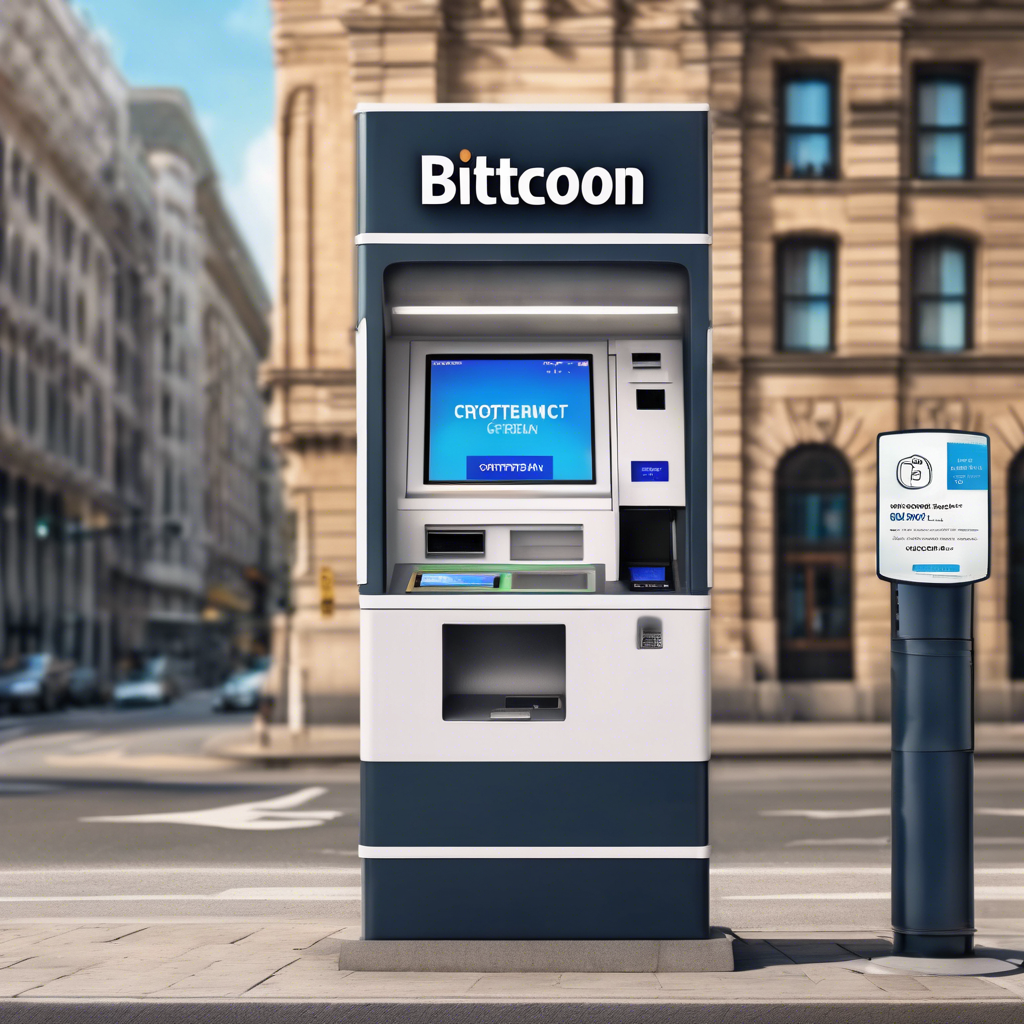
Cryptocurrency ATM-related fraud, particularly targeting seniors, has surged across the U.S., leading states like Illinois, Rhode Island, Vermont, Nebraska, and Arizona to implement stricter regulations. These ATMs facilitate cash-to-crypto exchanges but are vulnerable due to irreversible transactions, causing significant financial losses. In response, measures such as transaction limits, fraud warnings, and operator licensing have been introduced, with some cities like Spokane banning the machines altogether. Federal agencies including the FTC and FBI, along with groups like AARP, have increased public warnings about crypto ATM scams. Despite these challenges, Bitcoin maintains global resilience. Regulatory frameworks are evolving, exemplified by the Federal Reserve easing oversight by removing “reputational risk” from bank assessments. Innovation continues as well, highlighted by Fiserv’s launch of FIUSD, a Solana-based stablecoin interoperable with PayPal’s PYUSD and backed by Mastercard, aiming to improve digital payments without generating yield. These developments illustrate ongoing efforts to balance innovation, regulation, and consumer protection as cryptocurrency becomes increasingly integrated into everyday finance.Across the United States, states are intensifying efforts to regulate cryptocurrency ATMs amid a sharp rise in fraud cases, especially those targeting senior citizens. The increasing popularity of these machines—which enable users to convert cash to cryptocurrency and back—has unfortunately drawn scammers who exploit the irreversible nature of crypto transactions, causing significant financial harm to victims. In response to this troubling trend, several states including Illinois, Rhode Island, Vermont, Nebraska, and Arizona have passed new laws to strengthen oversight of cryptocurrency ATMs. These regulations introduce stricter measures such as daily transaction limits, mandatory fraud warnings displayed on the machines, and the creation of licensing systems for operators. The goal of these steps is to reduce fraudulent activities and shield consumers from scams associated with these kiosks. Taking even stronger action, some local governments have banned cryptocurrency ATMs entirely. For instance, Spokane has prohibited these machines amid mounting concerns about their role in facilitating fraud. This decision highlights the seriousness with which municipalities are addressing the issue and reflects growing unease about vulnerabilities within the expanding crypto ecosystem. On the federal level, agencies have also expressed alarm over the increase in crypto ATM-related fraud. Both the Federal Trade Commission (FTC) and the Federal Bureau of Investigation (FBI) have reported notable rises in fraud losses linked to these kiosks. Their findings align with concerns voiced by consumer advocacy organizations, particularly the AARP, which champions enhanced protections for older adults who are disproportionately targeted by such scams.
In the wider cryptocurrency market, Bitcoin has shown relative stability despite ongoing geopolitical tensions, including those involving Iran. This stability signals a degree of resilience for the leading cryptocurrency amid uncertain global conditions. Simultaneously, there have been significant regulatory shifts. The Federal Reserve recently removed “reputational risk” from its guidelines for assessing banks, marking a step back from broader regulatory discretion that had faced heavy criticism during the enforcement strategy known as "Operation Chokepoint 2. 0. " This move suggests a recalibration in regulatory focus and methods concerning financial institutions exposed to cryptocurrencies. Alongside regulatory changes, there have been notable advancements in cryptocurrency payment solutions. Payment technology leader Fiserv announced its entry into the stablecoin market with the launch of FIUSD, a new digital currency built on the Solana blockchain and designed to be interoperable with PayPal’s PYUSD. This illustrates a commitment to enhancing the digital payments ecosystem. Fiserv has stressed that its stablecoin will not yield profits for the company, highlighting an emphasis on expanding commerce opportunities rather than generating returns through interest or similar channels. Mastercard has also partnered in this effort by committing to use FIUSD, signaling growing mainstream financial sector interest in integrating stablecoins into payment systems. Together, these developments underscore a dynamic phase in the cryptocurrency sector, characterized by heightened regulatory scrutiny, innovative payment technologies, and intensified efforts to protect consumers from emerging risks. As cryptocurrency becomes increasingly woven into everyday financial transactions, maintaining a balance between innovation and security remains a critical challenge for regulators, industry participants, and users alike.
Watch video about
US States Tighten Crypto ATM Regulations Amid Rising Fraud and Senior Scams
Try our premium solution and start getting clients — at no cost to you