New AI Tool Enhances Water Quality Forecasting for Communities
Brief news summary
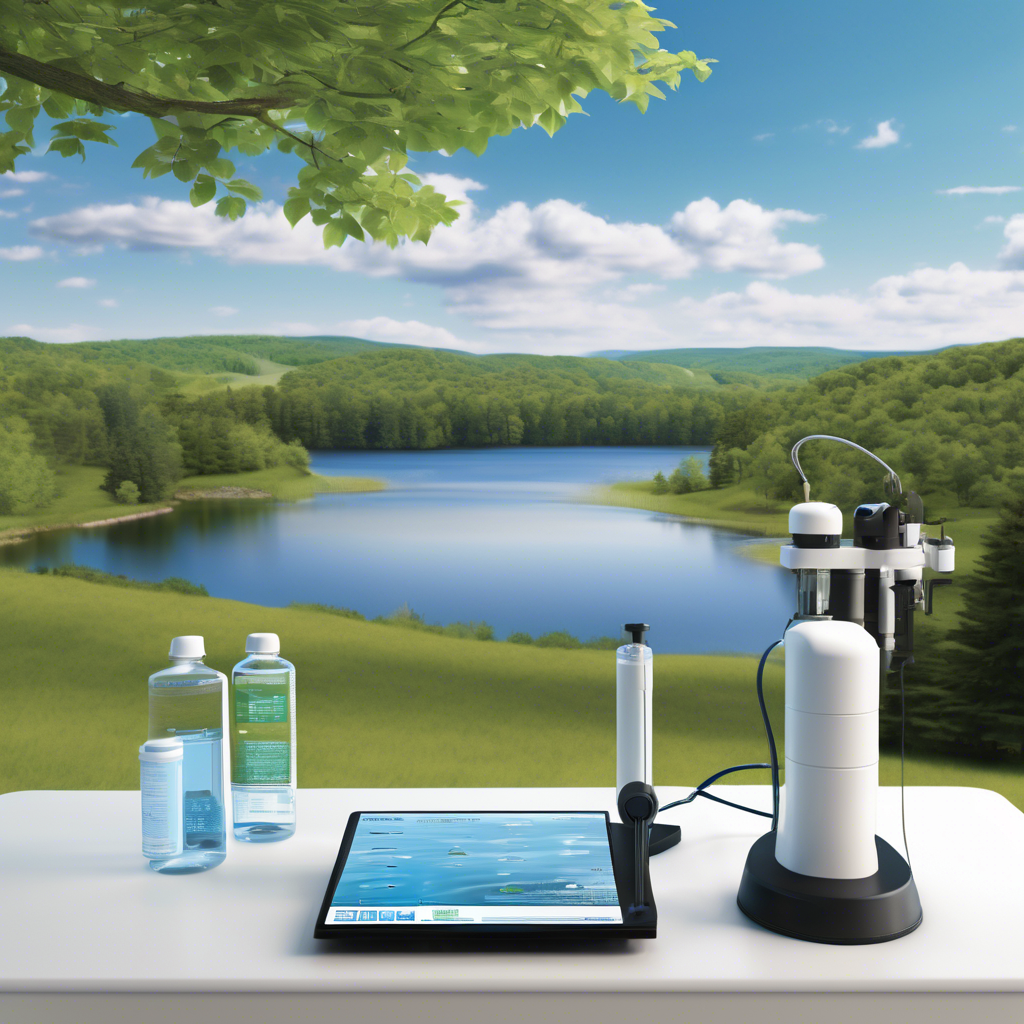
Researchers from the University of Vermont and Utah State University have created an advanced AI tool that monitors and predicts water quality to enhance community alert systems for cleaner water. This innovative tool leverages streamflow data from the National Water Model, combining AI and sensor data to forecast harmful runoff into lakes and rivers, thereby improving water quality predictions, according to Andrew Schroth from UVM. Turbidity, a crucial water quality indicator related to the concentration of suspended particles, plays an important role in water assessment. Studies conducted at Esopus Creek in New York have shown that high turbidity can hinder water treatment processes, underscoring the need for precise turbidity predictions, especially following rainstorms that elevate runoff levels. In addition, the research team aims to predict pollutant runoff, particularly phosphorus and chloride, in the Lake Champlain Basin, assisting farmers in understanding the environmental impact of fertilizer and salt usage. The tool is designed to provide near real-time water quality forecasts for local watersheds, with aspirations for national deployment by 2027, significantly supporting communities in managing their water resources more effectively.Researchers from the University of Vermont and Utah State University have collaboratively developed a new tool aimed at detecting low water quality, allowing communities to issue improved warnings and ensure a cleaner water supply more effectively. This innovative tool utilizes artificial intelligence to forecast when runoff from rainfall will introduce harmful contaminants into lakes and rivers, negatively impacting water quality. According to a press release from the University of Vermont, the researchers integrated the existing National Water Model—which predicts streamflow—with artificial intelligence and sensor data to enhance water quality forecasting. “This new tool can be deployed nationwide, providing valuable water quality predictions for a variety of applications, ” stated Andrew Schroth from UVM in the release. “By implementing the National Water Model for the first time to predict water quality, we have opened a new avenue that can significantly benefit the entire country moving forward. ” Turbidity, which measures the concentration of particles such as sediment, is a critical factor in assessing water quality. In testing the new technology at Esopus Creek, a primary drinking water source for New York City, results indicated that high turbidity led to poor water quality due to elevated particle concentrations disrupting treatment processes. The researchers emphasized that anticipating high turbidity events is vital in maintaining an efficient water supply. “When excessive sediment enters the reservoir during or after significant storms, New York City must restrict supply and alter its operations, ” Schroth explained in the release. According to the U. S. Centers for Disease Control and Prevention, most tap water in the United States is sourced from lakes, rivers, reservoirs, or groundwater. More than half of the residents in Vermont rely on public water systems, while the remainder uses private sources like wells and springs, as reported by the Vermont Department of Health.
Cities such as Burlington, Montpelier, and Brattleboro draw from water bodies like Lake Champlain, Berlin Pond, and Pleasant Valley Reservoir to serve their residential populations. The researchers are aiming to demonstrate the tool's capability to forecast phosphorus and chloride runoff in the Lake Champlain Basin following flooding or high water forecasts. This predictive approach can help maintain clean water by warning farmers about potential contamination in water supplies resulting from road salt or fertilizer use, according to Schroth and his research partner, Utah State scientist John Kemper. With the ability to monitor the weather's effects on water quality in real-time, numerous communities stand to benefit from this groundbreaking tool, they noted. Schroth, Kemper, and their research team are focused on creating a version of the tool for widespread application. The duo indicated via email that they are working to apply the tool to watersheds in the Lake Champlain region, which “will enable Vermonters to receive near real-time water quality forecasts for the streams flowing into the lake. ” They anticipate completing this project later this year. They are also seeking funding to develop a version of the tool that can operate on a national level, which would be a more extensive endeavor. With ongoing support for their research, they aspire to have a national version operational by approximately 2027.
Watch video about
New AI Tool Enhances Water Quality Forecasting for Communities
Try our premium solution and start getting clients — at no cost to you