Exploring Rorschach Tests Through AI: Insights into Human and Machine Interpretation
Brief news summary
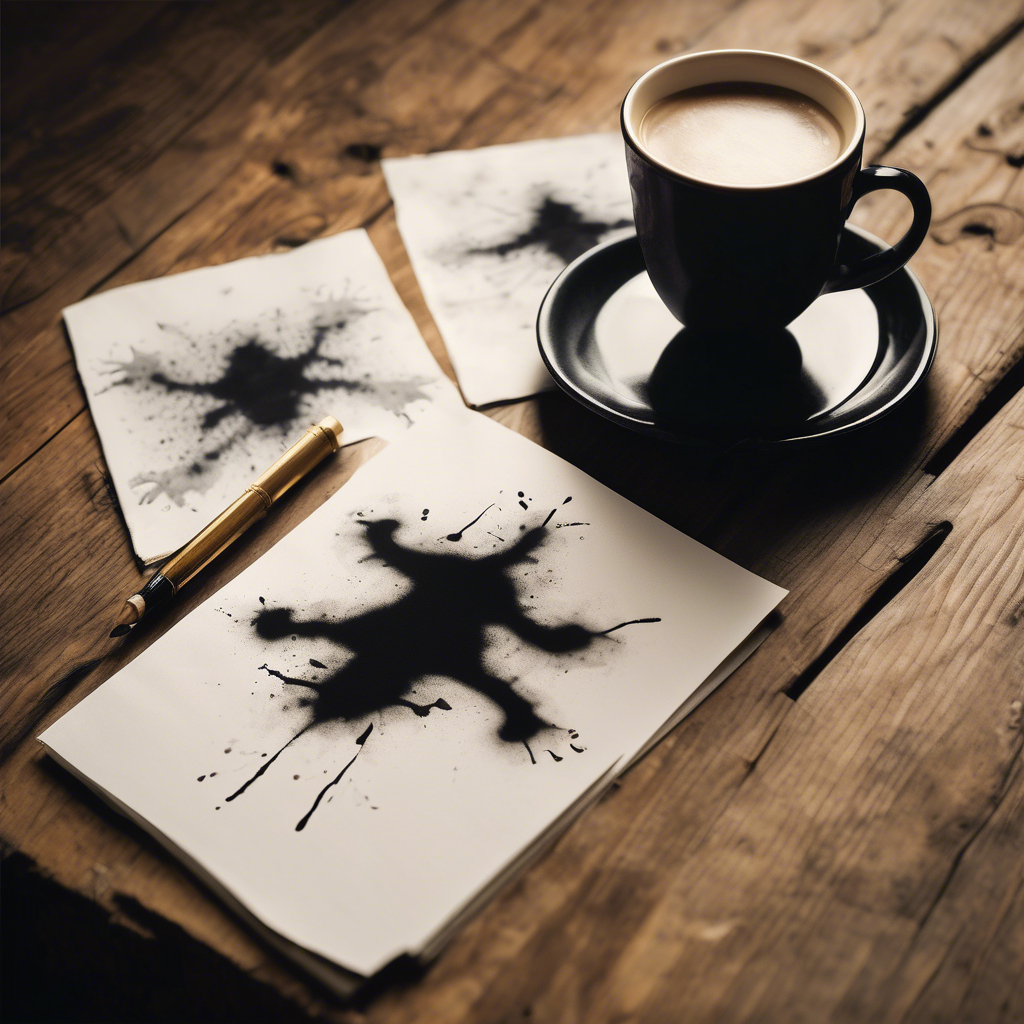
The Rorschach inkblot test, created by Hermann Rorschach in 1921, aims to uncover personality traits through ambiguous images that elicit varied interpretations based on individual experiences. While historically significant in psychology, the test faces criticism for outdated methods and inconsistency in personality assessment, as it was originally intended to identify disturbed thought patterns. Advocates maintain that it can encourage self-reflection. Recent developments in artificial intelligence, particularly with multimodal models like ChatGPT, have led researchers to explore AI's interpretations of Rorschach inkblots. Early findings suggest that AI employs pattern recognition instead of genuine emotional understanding, emphasizing a stark contrast between AI's analytical methods and human emotional insight. The differing interpretations of the same inkblots underscore AI's lack of subjective experience, highlighting the complexities of human thought and emotion that it struggles to fully grasp. This exploration reveals AI’s limitations while illuminating the intricate nature of human psychological processes.Rorschach tests, created by Swiss psychiatrist Hermann Rorschach in 1921, use ambiguous inkblot images to explore personality traits, relying on pareidolia—the human tendency to perceive familiar patterns. While some psychologists see value in these tests for therapeutic conversation, others believe they are outdated and lack credibility. Recent advancements in AI, particularly with multimodal models like ChatGPT, allow for image interpretation in addition to text. An experiment was conducted using five inkblot images to assess how AI interprets these ambiguous shapes. Typically, humans might see vastly different images—like a bat or butterfly—depending on their personal experiences, whereas AI's interpretations stem from its training data, reflecting collective visual culture rather than personal insight. When presented with an inkblot, ChatGPT acknowledged its ambiguity and described it as symmetrical, resembling two figures or a single entity with wings. However, experts suggest that while AI provides responses that seem human-like, it is essentially synthesizing information without genuine understanding or emotional context.
ChatGPT does not possess personal experience; it merely regurgitates knowledge gleaned from datasets. The experiment showed that when asked to analyze the same inkblot multiple times, ChatGPT could give different responses, highlighting a lack of personal influence that would typically characterize human thought. This inconsistency further emphasizes how AI cannot replicate human emotional processing, internal conflicts, or subjective meanings tied to imagery. Contrastingly, humans attach deep, often conflicting emotions and meanings to their perceptions. The absence of subjectivity in AI’s reasoning demonstrates the unique complexities of human psychology, which involve emotional and moral dilemmas that AI simply cannot navigate. Ultimately, the exploration of Rorschach interpretations by AI sheds light not only on the machine's capabilities but also on the intricate workings of the human mind and the depth of our personal experiences.
Watch video about
Exploring Rorschach Tests Through AI: Insights into Human and Machine Interpretation
Try our premium solution and start getting clients — at no cost to you