

A few weeks ago, a bit of controversy arose here on Hackaday: a writer published an article that featured AI-generated headline art. To be honest, the artwork was quite impressive, but it also fell victim to the usual oddities commonly associated with AI art. Anyone who has experimented with image generators knows what I mean by the uncanny style of AI art—it may appear decent at first glance, but if you scrutinize it closely, you may spot misaligned limbs or other anomalies. We promptly replaced the image after an editor caught the issue. The situation stemmed from the writer's struggle to find appealing visuals for a post discussing data encoding in QR codes for storage. This is a recurring challenge we face here. For example, when someone covers a coding hack, there often aren't any suitable images to accompany it. Our writers often need to think outside the box. In this instance, the writer turned to Stable Diffusion for help. Some readers expressed concern that this indicated we were sidelining the work of our talented and human art director, Joe Kim, whose distinctive style has graced many of our original, long-form articles. Rest assured, that's not the case!
Joe is incredibly skilled, and whenever we approach him for artwork on subjects ranging from cobalt refinement to Wimshurst machines for generating static electricity, he delivers excellent results. I think many of us have contemplated creating posters featuring his headline art. Joe is truly a gem. For our daily blog posts, which highlight your projects, we typically use images of the projects themselves. We can’t expect Joe to create ten pieces of art every day, and we never have. In the context of Hackaday, AI-generated art is often viewed as equivalent to finding suitable, cleared-for-use clip art, right? But in reality, it’s more complex than that. There’s considerable uncertainty regarding the datasets used to train these algorithms and whether the copyrights of the original artists were honored, both ethically and legally. Some people even fear that this technology might signal the downfall of Art itself (much like the concerns raised with the advent of cameras). Additionally, there's the issue of extra limbs and the clichéd styles often found in AI-generated artwork, which we worry could become stale and tiresome once we’re inundated with it.
The Debate Over AI-Generated Artwork on Hackaday




The Walt Disney Company has initiated a significant legal action against Google by issuing a cease-and-desist letter, accusing the tech giant of infringing on Disney’s copyrighted content during the training and development of generative artificial intelligence (AI) models without providing compensation.

As artificial intelligence (AI) advances and increasingly integrates into digital marketing, its influence on search engine optimization (SEO) is becoming significant.

MiniMax and Zhipu AI, two leading artificial intelligence companies, are reportedly preparing to go public on the Hong Kong Stock Exchange as early as January next year.

Denise Dresser, CEO of Slack, is set to leave her position to become Chief Revenue Officer at OpenAI, the company behind ChatGPT.
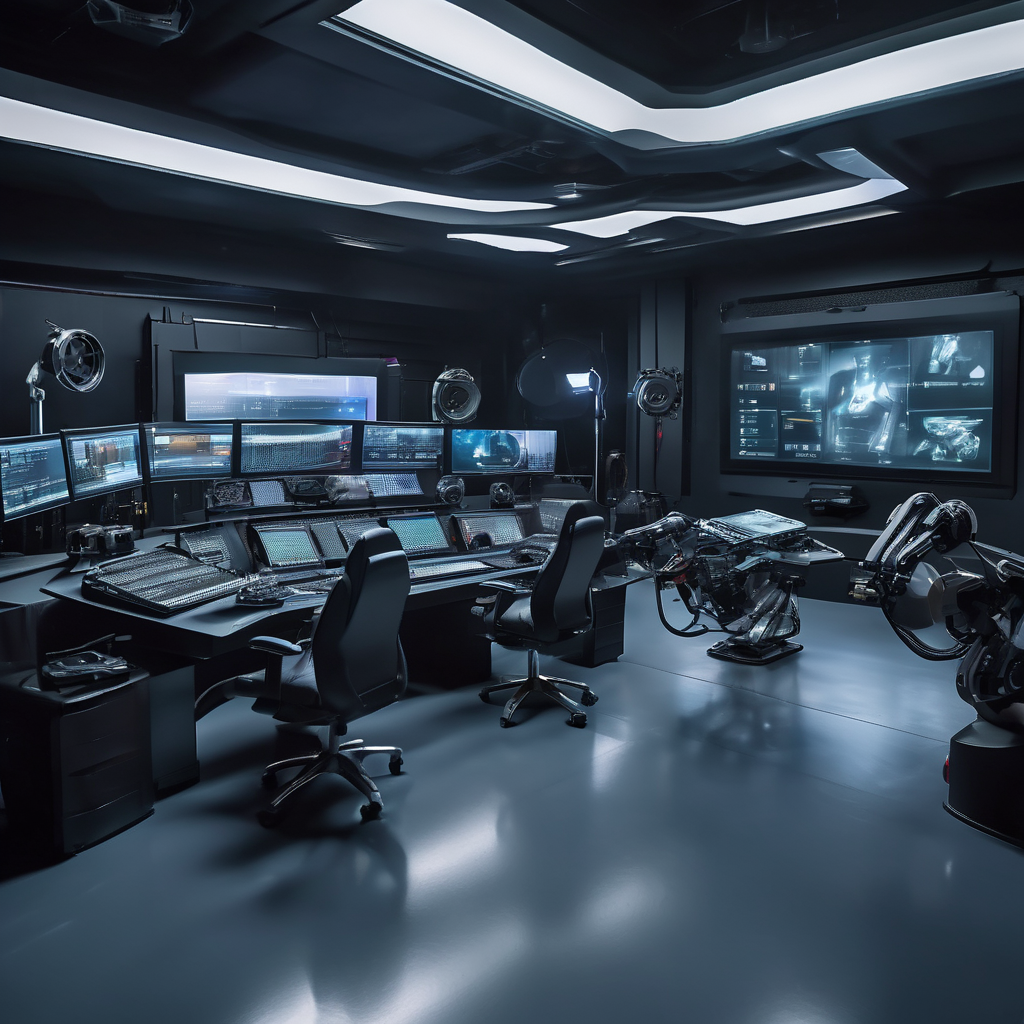
The film industry is experiencing a major transformation as studios increasingly incorporate artificial intelligence (AI) video synthesis techniques to improve post-production workflows.

AI is revolutionizing social media marketing by offering tools that simplify and enhance audience engagement.

The emergence of AI-generated influencers on social media signifies a major shift in the digital environment, sparking widespread debates about the authenticity of online interactions and the ethical concerns tied to these virtual personas.
Launch your AI-powered team to automate Marketing, Sales & Growth

and get clients on autopilot — from social media and search engines. No ads needed
Begin getting your first leads today


Lorem ipsum dolor sit amet consectetur adipisicing elit. Fuga dolor minus maiores. Aut vero expedita dicta, dolorem odit excepturi odio doloremque voluptatem repellat aliquam? Dolores nemo eum id pariatur! Nobis!

Create your own avatar to work for you — completely free of charge!
Sign up with Google


We've sent a confirmation email to
Please check your inbox and click the link to complete your registration
Didn’t receive it? Check your Spam or Promotions folder
and get clients without any advertising investment!

Create and publish viral social media content on autopilot



AI sales managers work 24/7, with no need for sleep, food, or breaks, and speak all languages.
You have unsubscribed from the mailing list recklessly but successfully.
We are not saying goodbye and look forward to seeing you again.