
Rise of AI Agents in 2024: Distinguishing from Generative AI and Custom GPTs

Brief news summary
Artificial intelligence specialists are recognizing a significant trend in the rise of AI agents, distinguishing them from generative AI models like ChatGPT. While generative AI focuses on creating content, AI agents excel in carrying out independent tasks, such as managing budgets and facilitating fund transfers. Ash Stearn from Ash Stearn AI compares these agents to personal tour guides, highlighting their ability to multitask. From a business standpoint, the effectiveness of AI agents relies on comprehensive training, similar to how new employees are onboarded. Roberto Luna, CEO of Lunivate, points out that these agents can dramatically cut time and costs, potentially transforming traditional call centers through increased automation. This technological evolution is crucial for businesses seeking a competitive edge, as early adopters tend to outperform their competitors. With over $1 billion invested in AI thus far, Seema Amble from a16z emphasizes a growing focus on refining the reasoning abilities of AI agents to enhance efficiency across various industries. Projections indicate that AI investments may surpass $749 billion by 2028. Experts advocate for AI to complement human skills, underscoring the importance of AI literacy for job security in an increasingly automated landscape. Companies without solid AI strategies risk becoming outdated in the shifting market.Many AI experts predict that 2024 will see a significant rise in the use of AI agents, distinct from generative AI models like Claude or ChatGPT, as well as custom GPTs. Here's a brief overview of these differences: - **Generative AI:** Primarily creates content (text, images, code) based on user prompts. - **Custom GPTs:** Modified generative AI specific to target industries or needs. - **AI Agents:** Function more autonomously, performing actions like setting budgets and making recommendations, exemplified by a personal finance agent that manages tasks based on set objectives. Ash Stearn, founder of Ash Stearn AI consultancy, uses a travel analogy to describe AI agents as personalized tour guides that can adapt to unexpected situations, make travel plans, and provide real-time assistance. In contrast, custom GPTs are likened to detailed travel guides that provide information without taking action, while generative AI resembles a generic information desk that requires extensive questioning for specific guidance. From a business standpoint, Stearn emphasizes that AI agents require thorough training and quality input to perform effectively, paralleling the onboarding of new employees. Roberto Luna, CEO of Lunivate, reports significant productivity savings for clients, attributing voice agents as a key growth area that could potentially eliminate traditional call centers. Investment in AI agents is on the rise. Seema Amble, a partner at a16z, highlights advances in AI-led automation enabling faster decision-making and efficiencies in sectors like finance and freight.
The investment in AI is projected to grow considerably, with spending expected to reach $749 billion by 2028. Despite concerns about job displacement, experts agree that AI agents will enhance human work rather than replace it. Stearn notes AI simplifies tedious tasks, allowing for focus on strategic activities. Luna asserts that the real threat to jobs lies not in AI itself but in those who know how to leverage it effectively. Amble concludes that having an AI strategy is essential for competitiveness, framing it as a matter of survival in the market.
Watch video about
Rise of AI Agents in 2024: Distinguishing from Generative AI and Custom GPTs
Try our premium solution and start getting clients — at no cost to you

I'm your Content Creator.
Let’s make a post or video and publish it on any social media — ready?

Content Maker

Last news
The Best for your Business
Hot news

Ethical Considerations in AI-Driven Marketing
As artificial intelligence (AI) becomes increasingly integrated into marketing, professionals and organizations are emphasizing the need for ethical considerations in deploying and managing these technologies.
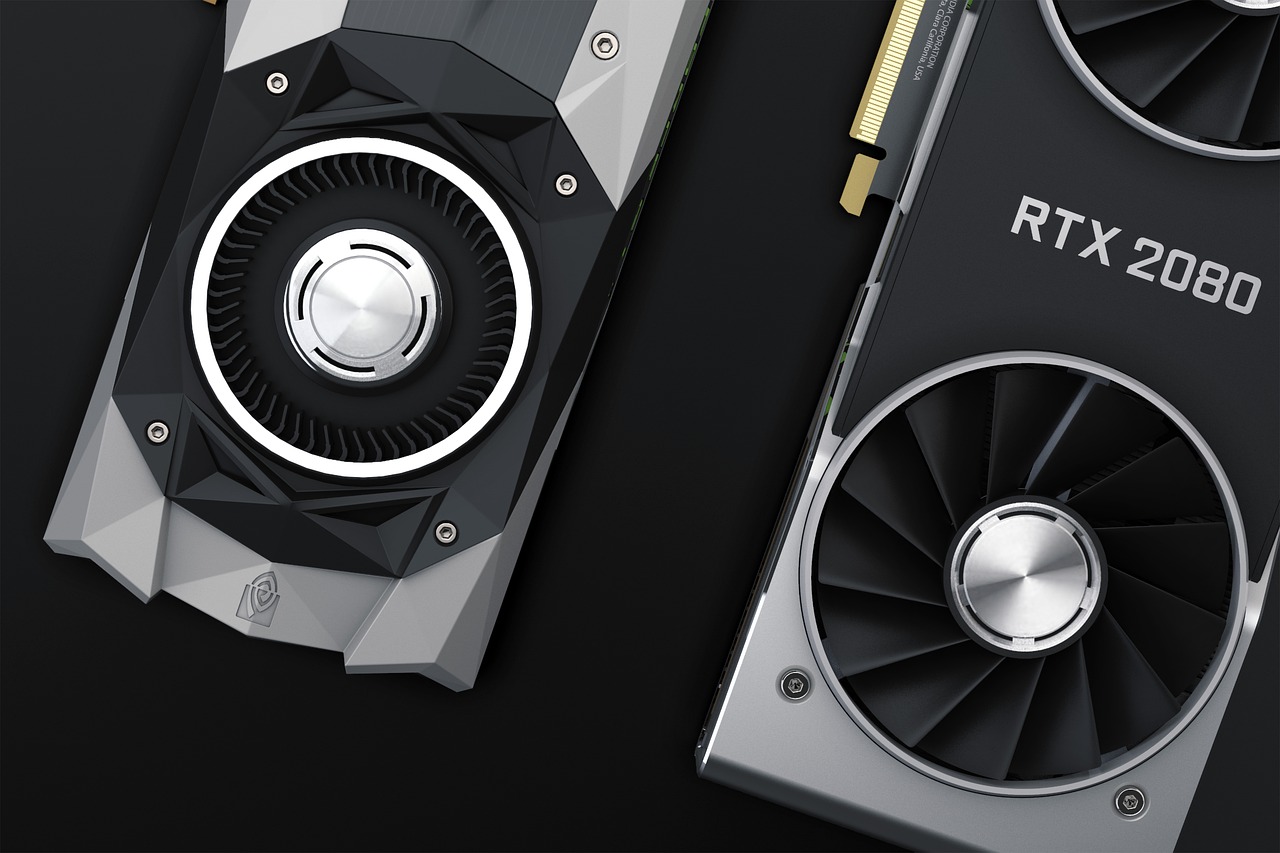
Nvidia's AI Chipset Powers Next-Gen Gaming Consol…
Nvidia has introduced its latest AI chipset, set to become a foundational component in next-generation gaming consoles.

AI in Video Production: Streamlining Post-Product…
The post-production phase in filmmaking is experiencing a major transformation due to advanced artificial intelligence (AI) technologies automating complex, time-consuming tasks that previously required specialized expertise.

Jason McDonald Consulting Agency Announces New Po…
SEO traditionally explains how companies appear on Google search results, but with the rise of AI answer agents like ChatGPT and Google Gemini, it now also encompasses how these AI systems generate and present answers to consumers.

China clears Nvidia H200 sales to tech giants, re…
China has started cautiously reopening access to Nvidia’s advanced AI processors, granting approvals to a select group of its largest technology companies.

How to Make Your Brand Go Viral: Social Media Gro…
In 2025, the social media landscape is evolving rapidly, dominated by AI-driven algorithms, hyper-personalized content, and short-form videos.

AI-Generated Videos Gain Popularity on Social Med…
The Rise of AI-Generated Videos on Social Media: Creativity, Authenticity, and Regulation In recent years, artificial intelligence (AI) has transformed content creation, especially on social media, where AI-generated videos have surged in popularity
AI Company
Launch your AI-powered team to automate Marketing, Sales & Growth

and get clients on autopilot — from social media and search engines. No ads needed
Begin getting your first leads today

Your News is ready
Your article is ready

Lorem ipsum dolor sit amet consectetur adipisicing elit. Fuga dolor minus maiores. Aut vero expedita dicta, dolorem odit excepturi odio doloremque voluptatem repellat aliquam? Dolores nemo eum id pariatur! Nobis!
Generating video takes longer than text.







