
None
Brief news summary
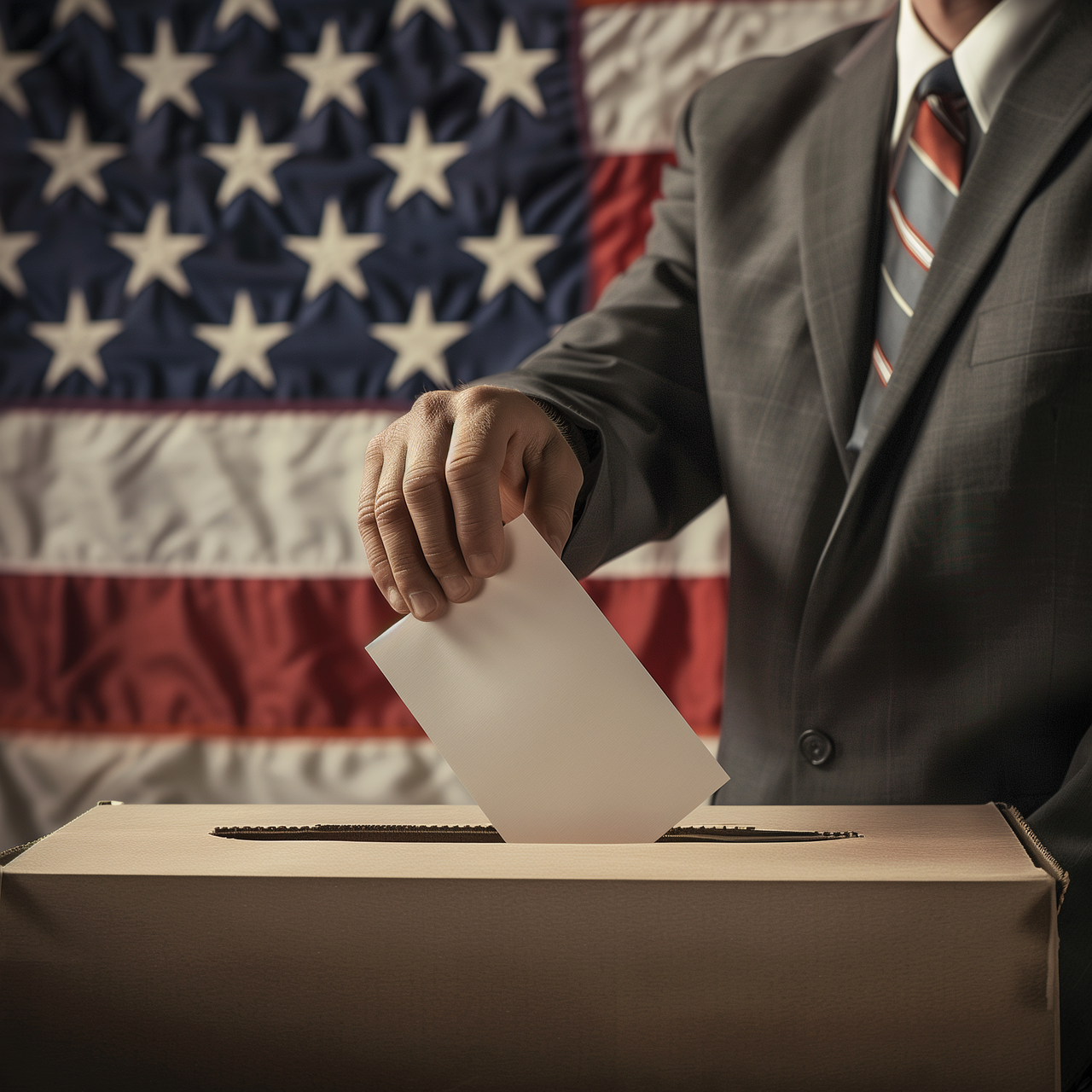
The New Hampshire state House has unanimously passed a bill that requires political ads using deceptive AI to disclose their use of the technology. This move reflects the growing trend among states to regulate AI in elections. The decision to advance the bill was influenced by a case where AI-generated voices imitated President Biden in robocalls, which violated voter suppression laws. Within 90 days of an election, political ads must now disclose if AI was used to manipulate visuals, videos, or audio to create false speech or actions. Satire and parody are exempt from the bill. This legislation aligns with other state efforts to regulate AI in election-related content. Advocates are urging the federal government to establish safeguards against the spread of AI-driven election disinformation, as seen in the New Hampshire robocall incident. The Federal Election Commission has initiated a public comment period but has not made any further announcements about addressing deceptive AI in campaigns.The New Hampshire state House has passed a bill that would require political ads utilizing deceptive artificial intelligence (AI) to disclose their use of this technology. This contributes to the growing momentum among states to implement AI regulations for safeguarding elections. The bill was approved by the state House without any debate and will now proceed to the state Senate. The need for this bill arose after New Hampshire voters received robocalls in January, prior to the state's primary elections, featuring an AI-generated voice impersonating President Biden. In February, NBC News reported that Steve Kramer, a seasoned Democratic operative, confessed to orchestrating these fraudulent robocalls to draw attention to the risks of AI in politics. The New Hampshire Attorney General's office has stated that these calls violated the state's voter suppression law. Under the new bill, disclosure will be required when deceptive AI is utilized in political advertising within 90 days of an election.
These disclosures will inform viewers that the ad's imagery, video, or audio has been altered or produced using AI and represents speech or actions that did not actually occur. However, the bill does include exemptions for satire and parody. This legislation is part of a wider trend wherein states are introducing bills aimed at regulating AI in election-related content. An analysis by Voting Rights Lab identified over 100 bills in 39 state legislatures that contain provisions designed to manage the potential for AI-generated election disinformation. The digitally-altered robocall featuring Biden in New Hampshire has reignited calls from advocates for the federal government to implement safeguards against the spread of AI-driven election disinformation. In August, under pressure led by the advocacy group Public Citizen, the Federal Election Commission (FEC) unanimously voted to initiate a public comment period to revise a rule concerning fraudulent misrepresentation of candidates, clarifying that it applies to deceptive AI used in campaigns. As of now, the FEC has not announced any further action on this rule. For the latest news, weather, sports, and streaming video, please visit The Hill.
Watch video about
None
Try our premium solution and start getting clients — at no cost to you

I'm your Content Creator.
Let’s make a post or video and publish it on any social media — ready?

Content Maker

Last news
The Best for your Business
Hot news

Why 2026 could be the year of anti-AI marketing
A version of this story appeared in CNN Business’ Nightcap newsletter.

AI-Driven SEO: A Game Changer for Small Businesses
In today’s rapidly evolving digital marketplace, small businesses often struggle to compete with larger enterprises due to the extensive resources and advanced technologies big companies utilize for online visibility and customer attraction.

Nvidia Acquires SchedMD to Enhance Open-Source AI…
Nvidia, a global leader in graphics processing technology and artificial intelligence, has announced the acquisition of SchedMD, a software company specializing in AI software solutions.

Business leaders agree AI is the future. They jus…
Business leaders across diverse industries continue to view generative artificial intelligence (AI) as a transformative force capable of reshaping operations, customer engagement, and strategic decision-making.

AI-Enhanced Video Conferencing: Improving Remote …
In today’s rapidly evolving environment of remote work and virtual communication, video conferencing platforms are advancing significantly by incorporating sophisticated artificial intelligence (AI) features.

IOC Integrates Advanced AI Technologies for 2026 …
The International Olympic Committee (IOC) intends to implement advanced artificial intelligence (AI) technologies in upcoming Olympic Games to enhance operational efficiency and improve the viewer experience.

Zeta Global (NYSE: ZETA) spotlights Athena AI mar…
Zeta Global Announces Exclusive CES 2026 Programming, Showcasing AI-Powered Marketing and Athena Evolution December 15, 2025 – LAS VEGAS – Zeta Global (NYSE: ZETA), the AI Marketing Cloud, revealed its plans for CES 2026, featuring an exclusive happy hour and fireside chat in its Athena suite
AI Company
Launch your AI-powered team to automate Marketing, Sales & Growth

and get clients on autopilot — from social media and search engines. No ads needed
Begin getting your first leads today

Your News is ready
Your article is ready

Lorem ipsum dolor sit amet consectetur adipisicing elit. Fuga dolor minus maiores. Aut vero expedita dicta, dolorem odit excepturi odio doloremque voluptatem repellat aliquam? Dolores nemo eum id pariatur! Nobis!
Generating video takes longer than text.







