
Neuron Expert

Neuron Expert newsroom

What changed — and what it means for field-service businesses.

Original analysis of AI, local search, service technology and the trades. Every story links to its named source; we do not syndicate or auto-publish feed copy.

Original Neuron analysis grounded in named sources. We never republish feed copy, and every story must clear our factual and language quality gates before it goes live.

Topics

Latest articles

32 articles
Trades

EPA Lead Service Line Rule: What Plumbers Need to Know About October 2024 Compliance

Water systems across the country must now identify and disclose lead service lines by mid-October 2024, opening new opportunities and compliance work for plumbing contractors. The revised EPA rule also mandates testing in schools and child care facilities for the first time.

Source: epa.gov
Read analysis
Trades

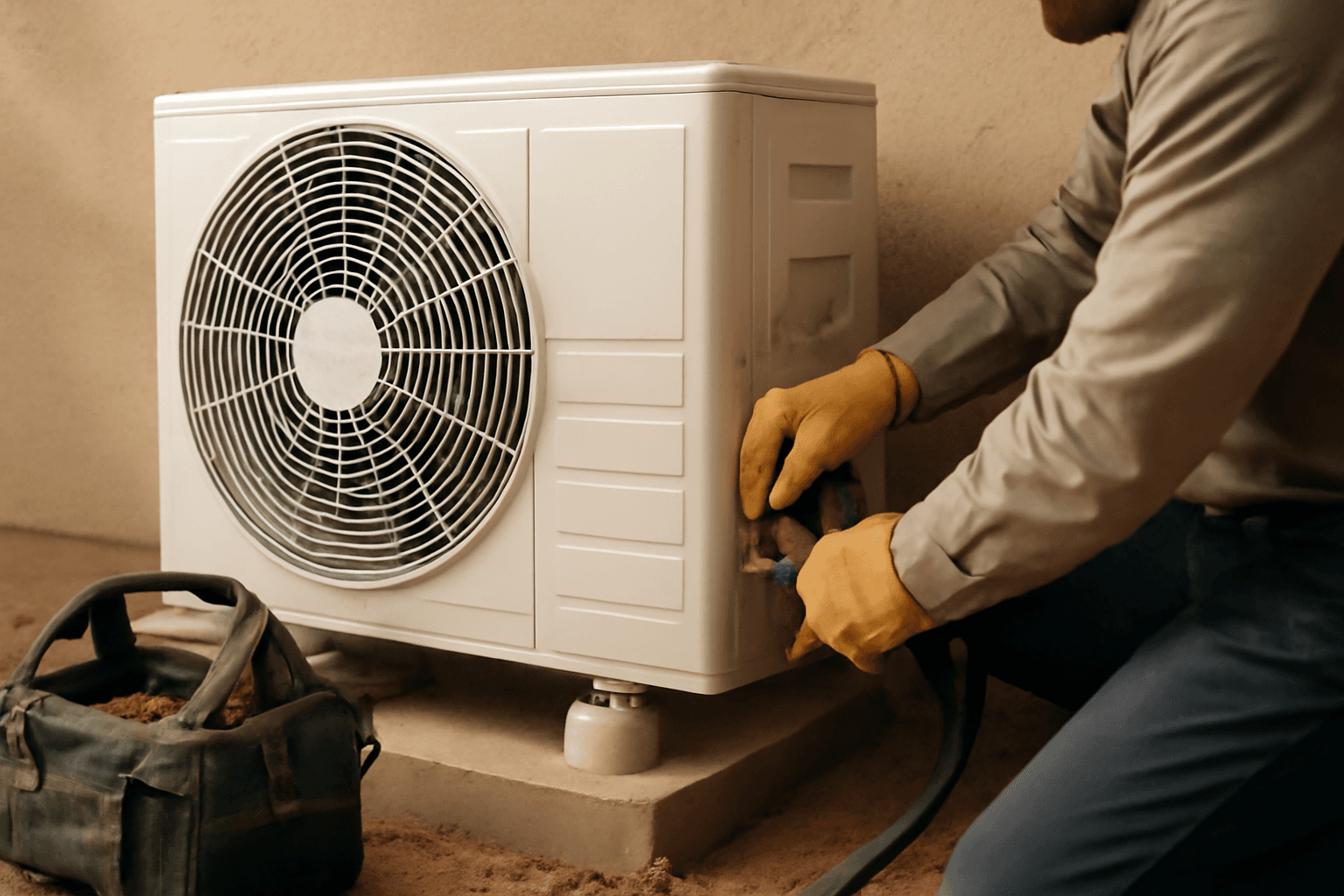
EPA Delays R-410A Deadline, But New Refrigerant Rule Faces Legal Challenges

The EPA has removed the January 1, 2026 installation deadline for R-410A HVAC equipment, giving contractors and customers more time to transition. However, ongoing lawsuits and disagreements over commercial refrigeration compliance deadlines create uncertainty about long-term compliance costs.

Source: achrnews.com · August 6, 2026
Read analysis
Trades

California Appliance Repair Compliance: What Solo Techs Actually Owe Annual

Solo appliance repair technicians in California face $5,000–8,000 per year in mandatory compliance costs—but the licensing landscape differs sharply from HVAC and plumbing work. Understanding what requires a state license versus federal certification can save you from costly penalties.

Source: servicemag.org · April 21, 2026
Read analysis
Trades

The Four-Year Path to a Plumbing License: What Service Business Owners Need to Know

Licensing requirements for plumbers vary by state, but most demand apprenticeship training, supervised work hours, exams, and insurance before a technician can operate independently. Understanding these pathways—and their timelines—helps service owners plan staffing, hiring, and compliance strategies.

Source: gaslampinsurance.com · July 3, 2026
Read analysis
Trades

Texas Plumbing License Insurance Floor vs. Market Reality: Why $300K Won't Cut It

Texas law sets a $300,000 commercial general liability minimum for Responsible Master Plumbers, but the actual market—driven by commercial client demands—pushes most contractors to $1 million. Understanding this gap matters for licensing, bidding, and long-term business viability.

Source: 1800insurance.com · January 22, 2026
Read analysis
Trades

Plumbing Insurance Costs and State License Requirements: A 2026 Breakdown

Monthly insurance for plumbers ranges from $150 to $600 depending on business size and service scope, with coverage requirements and licensing rules varying significantly by state. Understanding these baseline costs and regional mandates is essential for budgeting and legal compliance.

Source: smallbizinsurancecost.com · August 13, 2026
Read analysis
Trades

Texas Plumbing License Changes: Faster Master Certification and Higher Penalties in 2026

Texas cut the journeyman-to-master experience timeline in half starting September 2025, but new $4,000-per-violation fines for unlicensed work take effect January 2026. Here's what plumbing contractors need to know.

Read analysis
Trades

How HVAC Supply Pressures Are Reshaping Your Margins and Customer Timelines

Metal costs, semiconductor scarcity, and labor inflation have driven HVAC equipment prices up 40% since 2020, while component shortages now routinely add six to eight weeks to commercial project schedules. Understanding these structural shifts—and how manufacturers are adapting—is essential for pricing, scheduling, and cash flow planning.

Source: servicetitan.com · March 6, 2026
Read analysis
Trades

California's New Workers' Comp Rules for HVAC Contractors: What You Need to Know

California now requires all licensed HVAC contractors to carry workers' compensation insurance regardless of whether they have employees. A statewide expansion to all contractor types is coming in 2028, and your insurance costs depend heavily on your state, claims history, and payroll size.

Source: 1800insurance.com · February 1, 2026
Read analysis
Trades

New York City Master Plumber Licensing Now Fully Digital: What You Need to Know

Starting February 2026, New York City requires all Master Plumber applications through its DOB NOW system, with strict timelines for exams and background checks. Plumbing business owners planning advancement or hiring licensed supervisors should understand the new process, costs, and qualification paths.

Source: nyc.gov
Read analysis

Trades

New York HVAC Licensing Split by City, Plus A2L Refrigerant Mandate Starting 2026

HVAC contractors in New York face fragmented licensing rules: NYC requires a Master Plumber license through DOB NOW, while other municipalities set their own standards. Starting January 1, 2026, all new residential systems must use low-GWP refrigerants like R-32 or R-454B, adding training and compliance costs.

Source: startbusinessbystate.com · August 20, 2026
Read analysis
Trades

Georgia Plumbers and Electricians: What the July 2026 Licensing Board Transition Means for Your Business

Georgia's new State Construction Industry Licensing Board takes over regulation of plumbers, electricians, and other specialty contractors on July 1, 2026—and your existing license remains valid. Here's what service owners need to know about the shift and what may change in renewal, reciprocity, and continuing education.

Source: contractortrainingcenter.com · August 11, 2026
Read analysis
Trades

Plumbing Code Fragmentation Across States: What Your Service Area Actually Requires

The U.S. operates under at least three competing plumbing code systems, with local amendments layered on top—meaning compliance rules can shift within your state or even between neighboring municipalities. Understanding which framework governs your jurisdiction is essential to avoid costly violations and project delays.

Source: contractormag.com · December 18, 2023
Read analysis

Trades

Texas Plumbing License: What TDLR Insurance Requirements Cost in 2026

Texas plumbers must carry $300,000 in general liability coverage to maintain their TDLR license, with annual GL premiums typically running $900–$2,200. Water-damage claims are the largest driver of insurance costs and frequency in the plumbing trade.

Source: thumanninsuranceagency.com · April 20, 2026
Read analysis
Trades

Texas Appliance Repair: Which Licenses Your Business Actually Needs

Texas doesn't require a single appliance repair license—instead, the type of work you perform determines which credentials and contractor designations are mandatory. Understanding these distinctions can save you legal trouble and unnecessary licensing costs.

Source: blog.service.works · May 22, 2026
Read analysis
Trades

Connecticut's 2026 Plumbing Code Overhaul: What HVAC and Plumbing Contractors Need to Know

Connecticut is moving toward mandatory thermal expansion tanks and stricter permitting rules for water heater work under proposed 2026 code changes. Contractors should prepare now for tighter compliance requirements and customer education demands.

Source: lp-plumbing.com · June 30, 2026
Read analysis
Trades

DOE Water Heater Standards Take Effect May 2029: What Service Pros Need to Know

Federal efficiency rules will transform the residential water heater market in less than five years, requiring heat pump technology for large electric units and driving customer interest in upgrades. Service businesses should start preparing now to understand and communicate these changes to homeowners.

Source: hotwater.com · November 1, 2024
Read analysis
Trades

2026 AC Refrigerant Pricing: What the EPA Transition Means for Your Service Margins

The shift to R-454B as the EPA-mandated standard is reshaping refrigerant costs and job pricing across the HVAC industry. Understanding the new landscape—and how legacy R-22 pricing affects your customer base—is essential to protecting margins and setting transparent quotes.

Source: joinbreasy.com · August 23, 2026
Read analysis
Trades

EPA Lead Pipe Rule Creates 10-Year Window for Plumbing Contractors—But Funding Cliffs Loom

New EPA guidance locks in a November 2027 deadline for water systems to inventory lead service lines, with complete replacement required within a decade. For plumbing contractors, this means sustained demand ahead—but cash flow risks if federal funding runs dry before the work begins.

Source: naco.org · August 27, 2026
Read analysis
Trades

California's C-20 HVAC License Requirements and 2026 Compliance Checklist

California HVAC contractors face strict licensing thresholds, exam standards, and insurance mandates that directly affect how you price jobs and run your business. Understanding these rules—especially the $500 job trigger and mandatory workers' comp—is essential to staying compliant and avoiding costly penalties.

Source: budgetheating.com · November 1, 2025
Read analysis
Trades

California Appliance Repair: Registration Requirements and the $500 Licensing Threshold

California appliance repair businesses must register with the state and understand when a full contractor license becomes mandatory. Here's what triggers licensing obligations and how to stay compliant.

Source: 911appliance.com · June 29, 2024
Read analysis
Trades

HVAC Contractor Insurance: Coverage Tiers, Claims Risks, and Provider Comparison for 2025

HVAC work carries high claim exposure from property damage, refrigerant leaks, and equipment failures—making $1–2 million general liability coverage essential. Here's what different firm sizes need and how major insurers stack up on cost, claims handling, and coverage gaps.

Source: moneygeek.com · December 17, 2024
Read analysis
Trades

Right-to-Repair Laws Now in Six States: What Service Businesses Need to Know

California, Colorado, Minnesota, New York, Massachusetts, and Oregon have all passed right-to-repair regulations that require manufacturers to share tools, parts, and repair information with independent shops. For appliance, HVAC, and electrical repair businesses, these laws create new opportunities—but also require you to understand manufacturer compliance timelines and your own legal obligations.

Source: crowell.com · March 20, 2024
Read analysis
Trades

Google Business Profile Suspension Cost This HVAC Contractor Half a Million Dollars

A Washington HVAC firm lost $300,000–$500,000 in revenue after Google suspended its profile and wiped 100+ reviews, causing 15–20% monthly revenue decline for six months. Here's what local service owners need to know about protecting their Google presence.

Source: achrnews.com · August 17, 2026
Read analysis
Trades

September 2023 Lead-Free Certification Deadline: What Plumbers Need to Know

Federal regulations require all plumbing products used in potable water systems to be certified lead-free by September 1, 2023, with strict limits on weighted average lead content. Non-compliance can expose your business to liability and regulatory action.

Source: pmmag.com · September 1, 2023
Read analysis
Trades

California's Lead-Free Plumbing Rules: What Licensed Contractors Must Verify on Every Job

California enforces stricter lead-free standards than federal law, requiring dual NSF certifications and restricting which materials you can specify on permitted work. Understanding the scope, exemptions, and documentation rules protects your license and keeps your invoices defensible.

Read analysis
Trades

California HVAC Contractors Face Mandatory Coverage Costs: What SB 216 Means for Your Bottom Line

California's 2023 law eliminated the solo-operator exemption from workers' compensation insurance, making coverage mandatory for all HVAC licensees and shifting costs to businesses operating under Code 5537 and 5538. Rates now range from $8–$18 per $100 of payroll in 2026, with residential work commanding higher premiums due to documented workplace hazards.

Source: viarapidaservices.com · July 31, 2026
Read analysis
Trades
Trades

EPA's 2025 Refrigerant Shift: What HVAC Contractors Need to Know About R-410A Phase-Out

As of January 2025, new HVAC equipment must use low-GWP refrigerants like R-454B and R-32 instead of R-410A. Service contractors face new training, tool, and safety requirements—but existing systems remain serviceable under current rules.

Source: kele.com · February 20, 2026
Read analysis
Trades

Plumbing Workforce Shortage Could Cost Your Business—Here's What to Expect

The plumbing industry is heading toward a 550,000-worker shortfall by 2027, creating intense competition for skilled labor and pushing wages upward. Understanding the market dynamics behind this crunch can help you plan hiring, pricing, and retention strategies now.

Source: pmmag.com · August 20, 2026
Read analysis
Trades

Google Business Profile Changes in 2026: What Appliance Repair Owners Need to Know

Google has removed Q&A, chat history logging, and its free website builder from Business Profiles, shifting how appliance repair shops attract local customers. Understanding what still drives ranking—and what triggers suspensions—is now critical to maintaining visibility.

Source: appliancemarketingpros.com · August 4, 2026
Read analysis
Trades

6,000+ Heat Pump Units Recalled After Water Damage Sparked School Fires

Airedale SchoolMate and ClassMate heat pumps are being recalled nationwide after water intrusion caused fan motor short-circuits and fires in schools. Service contractors should know the signs of this defect and how to help customers identify affected units.

Source: nbcphiladelphia.com · August 26, 2026
Read analysis
Trades

Plumbing License Requirements Vary Dramatically by State—Here's Why It Matters for Your Business

Plumbing licensure in the U.S. is a patchwork of state, county, and local rules, not a single national standard. Understanding your specific jurisdiction's requirements—and those of states where you might expand—is critical to legal operation and growth.

Source: servicetitan.com · August 28, 2026
Read analysis